
Rosemary Oil vs Minoxidil: Which Actually Regrows Hair?
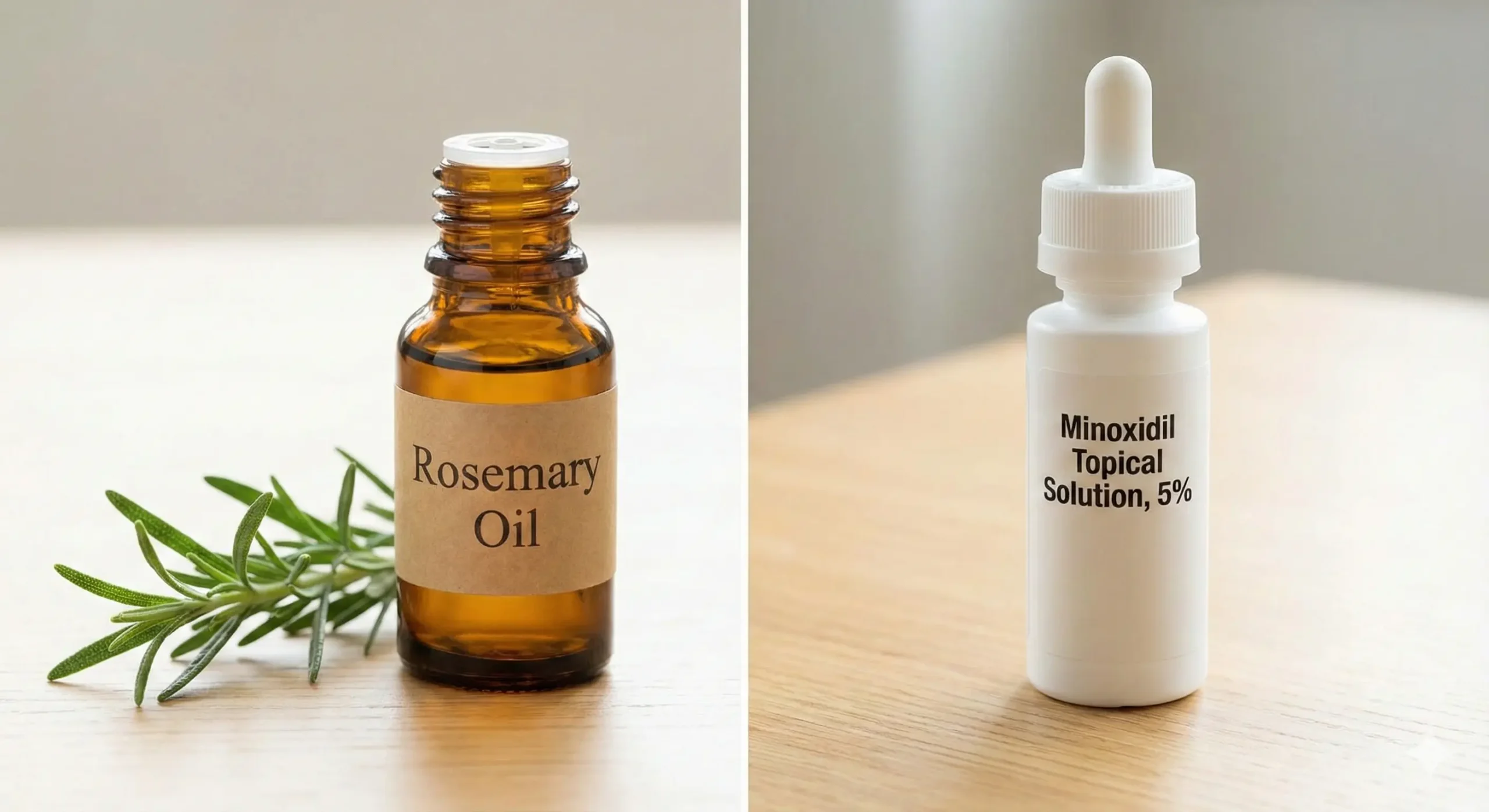
If you’re staring at your hairline in the mirror every morning, you want answers now, not after wading through pages of technical jargon. So here’s the truth about rosemary oil vs minoxidil: both can regrow hair, but they’re different tools for different situations.
Minoxidil for hair growth is the heavyweight champion. It’s FDA-approved, clinically proven, and works faster (usually 3-4 months). If you have noticeable hair loss and want the most reliable option for hair regrowth, this is it. But it comes with strings attached: potential side effects, daily commitment, and if you stop using minoxidil, you’ll lose what you gained.
Rosemary oil for hair growth is the underdog with legitimate science behind it. A 2015 study showed rosemary oil worked as well as 2% minoxidil after six months of consistent use. It’s gentler, more natural, and may even address the root cause of hair loss (DHT). But you need patience with rosemary oil for hair, results take longer, and the application process is messier.
The choice between rosemary oil and minoxidil depends on how advanced your hair loss is, whether you can tolerate chemicals, and honestly, which hair regrowth routine you’ll actually stick with.
Why Choosing Between Rosemary Oil vs Minoxidil Matters
Losing your hair isn’t just about vanity. For many people, it’s watching part of their identity disappear strand by strand. The anxiety is real, and so is the confusion. The hair loss treatment industry is packed with expensive “miracle cures” that do nothing and harsh chemicals that come with scary side effects.
For years, the choice seemed binary: accept hair loss or use powerful drugs with potential risks. But something shifted recently. Social media, especially TikTok and Reddit, exploded with people sharing their rosemary oil hair growth results. Bottles of Mielle Organics rosemary oil started flying off shelves. Suddenly, everyone wanted to know: is rosemary oil for hair loss actually legit, or just another overhyped trend?
Let’s find out by looking at the actual science behind rosemary oil vs minoxidil, not just the viral videos.
Understanding How Hair Loss Actually Happens
Before comparing rosemary oil and minoxidil for hair regrowth, you need to understand what’s going wrong in the first place. Your hair follicles go through a cycle with three phases:
The Growth Phase (Anagen): This is when your hair is actively growing. Normally, 85-90% of your hair is in this phase at any time, and it lasts 2-6 years. Longer anagen phase equals longer hair potential.
The Transition Phase (Catagen): A short 10-day period where the follicle shrinks and detaches. Think of it as the follicle taking a break.
The Resting Phase (Telogen): The hair chills out for about 3 months before falling out, making room for new growth. About 10-15% of your hair is here at any given time.
In androgenetic alopecia (pattern baldness), this cycle gets disrupted. The growth phase gets shorter and shorter with each cycle, while the resting phase stretches out. Your hair becomes thinner and weaker until follicles eventually just give up.
The Real Villain in Hair Loss: DHT
The main culprit behind pattern baldness is a hormone called DHT (dihydrotestosterone). Your body converts regular testosterone into DHT using an enzyme called 5-alpha reductase.
If you’re genetically predisposed to hair loss, the follicles on your scalp are sensitive to DHT. When DHT binds to these follicles, they literally shrink over time, a process called miniaturization. Each new hair comes in thinner and shorter until eventually, nothing grows at all.
Here’s where rosemary oil vs minoxidil differs: Minoxidil doesn’t block DHT. It forces your follicles to grow despite the DHT attacking them. Rosemary oil for hair loss, on the other hand, may actually interfere with the enzyme that creates DHT in the first place, though the evidence for this is still emerging.
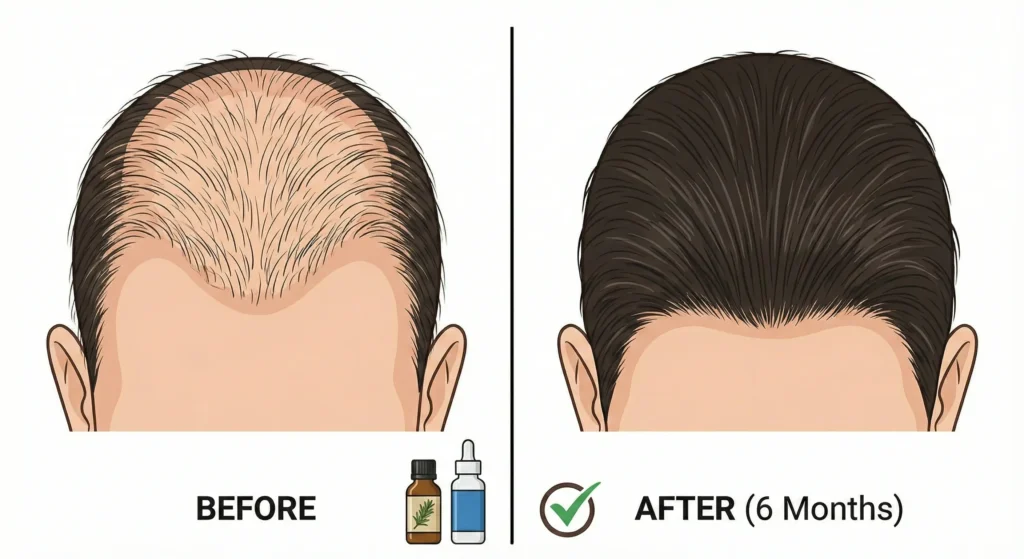
Rosemary Oil for Hair Growth: More Than Just a Kitchen Herb
Rosemary has been used in folk medicine for centuries, but only recently has rosemary oil for hair graduated from grandmother’s remedy to legitimate clinical investigation.
What’s Actually In Rosemary Oil?
Rosemary oil for hair growth isn’t a single ingredient. It’s a complex mixture of compounds that work together:
- 1,8-Cineole (Eucalyptol): Increases blood flow and reduces inflammation
- Carnosic Acid: A powerful antioxidant that may block DHT from binding to follicles
- Rosmarinic Acid: Fights inflammation in the scalp (which can accelerate hair loss)
- Camphor: Stimulates nerve endings and creates that tingling sensation you feel when applying rosemary oil

How Rosemary Oil Works for Hair Regrowth
Rosemary oil for hair loss approaches the problem from multiple angles:
- Better Blood Flow: Like minoxidil, rosemary oil is a vasodilator, meaning it relaxes blood vessels and increases circulation to your follicles. More blood flow means more oxygen and nutrients reaching your hair roots.
- Potential DHT Blocking: A 2012 mouse study suggested rosemary extract might inhibit the 5-alpha reductase enzyme that creates DHT. If this works in humans (big “if”), rosemary oil would be attacking the cause, not just the symptom.
- Calming Inflammation: Chronic scalp inflammation accelerates hair loss. The antioxidants in rosemary oil for hair create a healthier environment for follicles to thrive.
Minoxidil for Hair Growth: The Accidental Discovery
Minoxidil is the only FDA-approved topical treatment for hair loss, and its origin story is pure medical serendipity.
From Blood Pressure Pills to Hair Growth
In the 1970s, minoxidil was prescribed as a pill (called Loniten) for severe high blood pressure. Doctors noticed something weird: patients were growing hair everywhere, heads, backs, arms, faces. This unexpected side effect led researchers to develop a topical version of minoxidil that could deliver the hair-growing benefits directly to the scalp.
How Minoxidil Works for Hair Regrowth
Despite decades of use, scientists still don’t fully understand minoxidil’s mechanism for hair growth. Here’s the current theory:
When you apply minoxidil to your scalp, an enzyme called sulfotransferase converts it into its active form (minoxidil sulfate). This active form opens ATP-sensitive potassium channels in cell membranes, which causes:
- Blood vessels to dilate (more nutrients to follicles)
- The resting phase to shorten (sleeping follicles wake up faster)
- The growth phase to extend (active follicles stay productive longer)
- Miniaturized follicles to enlarge (producing thicker, healthier hair)
The Minoxidil Non-Responder Problem
Here’s something most people don’t know about minoxidil for hair growth: it simply doesn’t work for 40-50% of users. Why? They have low levels of that sulfotransferase enzyme needed to activate the drug. No enzyme conversion equals no results.
This is actually where rosemary oil for hair might have an advantage. Rosemary oil doesn’t need enzymatic conversion, so it might work for minoxidil non-responders.
The Study Everyone’s Talking About: Rosemary Oil vs Minoxidil
The modern rosemary oil craze hinges almost entirely on one 2015 clinical trial comparing rosemary oil vs minoxidil published in the journal Skinmed. Let’s break down what this rosemary oil and minoxidil study actually found.
The Study Setup: Rosemary Oil vs Minoxidil
- Participants: 100 men with androgenetic alopecia
- Duration: 6 months
- Groups: 50 used rosemary oil for hair, 50 used 2% minoxidil
- Method: Everyone applied 1 mL of their treatment twice daily
What the Rosemary Oil vs Minoxidil Study Found
At 3 months: Neither rosemary oil nor minoxidil showed significant hair growth compared to baseline. This is important, hair regrowth is slow. Whether you choose rosemary oil or minoxidil, three months often isn’t enough to see results.
At 6 months: Both rosemary oil and minoxidil groups showed significant increases in hair count compared to where they started. More importantly, there was no statistical difference between rosemary oil vs minoxidil. Rosemary oil for hair growth performed just as well as minoxidil.
Side Effects: The minoxidil group experienced more scalp itching, likely due to propylene glycol (a known irritant) in the solution. Interestingly, the rosemary oil group didn’t report excessive greasiness, suggesting the specific rosemary oil formulation absorbed well.
The Limitations of the Rosemary Oil vs Minoxidil Study
Before you throw away your minoxidil, consider these limitations:
Concentration matters: The study used 2% minoxidil. The current standard for men (and increasingly for women) is 5% minoxidil, which is significantly more effective. So rosemary oil may match low-dose minoxidil, but probably not the maximum strength version of minoxidil for hair growth.
Small sample: Only 50 people per group isn’t a huge study for rosemary oil vs minoxidil.
Men only: The rosemary oil and minoxidil study focused on male pattern baldness. While the biology is similar in women, hormonal differences mean results might not be identical.
Standardization: The study used a specific rosemary oil preparation with controlled concentrations. Your DIY rosemary oil mix at home might not hit the same dosage.
As dermatologist Dr. Dray notes, this study supports rosemary oil for hair growth as a legitimate option, especially for people who can’t tolerate minoxidil, but it shouldn’t be viewed as superior to the 5% minoxidil formulation.
Mielle Organics Rosemary Oil: The Product Behind the Trend
You can’t discuss rosemary oil for hair without mentioning Mielle Organics. This rosemary oil product went so viral it was literally sold out everywhere.
What’s In Mielle Rosemary Oil?
Mielle’s Rosemary Mint Scalp & Hair Strengthening Oil isn’t pure rosemary essential oil. It’s a pre-diluted blend that includes:
- Soybean Oil: The base carrier (can be heavy for fine hair)
- Castor Oil: Known for hair strengthening
- Rosemary Leaf Oil: The active ingredient for hair growth
- Peppermint Oil: Provides cooling stimulation
- Biotin: A B-vitamin for hair structure
- Tea Tree Oil: Anti-fungal properties
The Grease Factor with Rosemary Oil
Here’s where things get tricky with rosemary oil for hair. Mielle was originally formulated for curly and coily hair textures (Type 3 and 4), which tend to be drier and benefit from heavy oils. When the rosemary oil trend went viral, people with straight, fine hair started using it, and many found it way too heavy.
If you have fine hair, you’ll probably need to use rosemary oil as a pre-wash treatment (apply, wait 30 minutes to 2 hours, then shampoo out) rather than leaving it in.
The P&G Acquisition Drama
After Procter & Gamble acquired Mielle, social media exploded with conspiracy theories about formula changes causing hair loss. Ingredient analyses suggest the rosemary oil formula remained consistent. The “shedding” some people experienced was likely either:
- The normal “dread shed” that happens when hair growth treatments work (more on this soon)
- Allergic reactions to the concentrated essential oils
- Confirmation bias and panic
At around $10 for 2 ounces, Mielle rosemary oil is incredibly accessible compared to dermatologist visits and prescription treatments.
Rogaine (Minoxidil): The Options for Hair Growth
Rogaine is the brand name, but generic minoxidil is identical and much cheaper for hair regrowth.
Minoxidil Foam vs. Liquid: Which Should You Choose?
Minoxidil Liquid Solution:
- Pros: Easier to apply directly to the scalp with the dropper, especially if you have long or thick hair
- Cons: Contains propylene glycol, which causes itching, flaking, and greasiness for many people
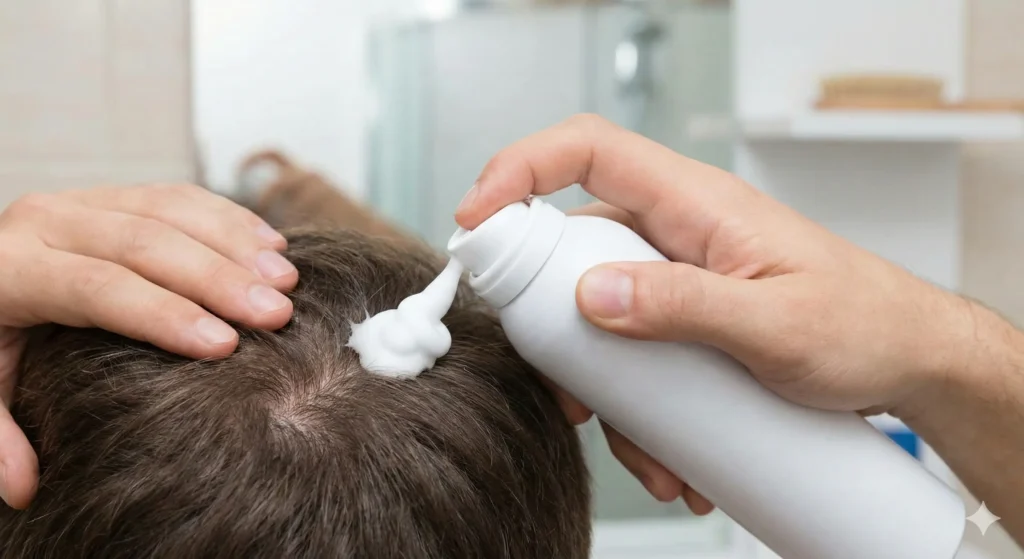
Minoxidil Foam:
- Pros: No propylene glycol, dries almost instantly, adds volume like a styling mousse
- Cons: Can be tricky to apply directly to your scalp if you have thick hair, it gets caught in the strands
2% vs 5% Minoxidil: Does Concentration Matter for Hair Growth?
2% Minoxidil: Originally FDA-approved for women. Less effective but fewer side effects.
5% Minoxidil: The standard for men and increasingly recommended for women by dermatologists (often once daily instead of twice). Significantly better hair regrowth rates.
Cost Reality: Minoxidil vs Rosemary Oil
Generic minoxidil from Kirkland or store brands costs roughly $15-20 for a three-month supply when bought in bulk. Over time, minoxidil is actually comparable in price to premium rosemary oil for hair.
The “Dread Shed”: Why Hair Growth Treatments Get Worse Before Better
This is the part that freaks people out and causes many to quit rosemary oil or minoxidil prematurely. Let me explain what’s happening.
Why Effective Hair Regrowth Treatments Cause Shedding
When a hair growth treatment (whether rosemary oil or minoxidil) works, it forces your resting follicles to wake up and start growing again. But here’s the problem: a follicle can’t grow a new hair while still holding onto the old one.
So your scalp pushes out the old, dormant hair to make room for the new sprout. Because the treatment synchronizes multiple follicles at once, this shedding happens all together, leading to a dramatic (and terrifying) increase in hair fall.
The Timeline: Rosemary Oil vs Minoxidil Shedding
With Minoxidil: The shed typically starts 2-4 weeks after you begin minoxidil treatment. It’s often rapid and noticeable. Doctors actually consider this a positive sign that minoxidil is working.
With Rosemary Oil: Users report shedding with rosemary oil too, though anecdotally it seems more gradual and less aggressive, possibly because rosemary oil’s effects develop more slowly.
Don’t Make This Mistake with Hair Growth Treatments
Many people panic during the dread shed and stop their hair regrowth treatment (whether rosemary oil or minoxidil). This is the worst thing you can do. By stopping, you’ve shed the old hair but removed the stimulus for new growth, leaving you with significantly less hair than when you started.
The only way out is through. Trust the hair regrowth process.
Safety: The Side Effects Nobody Talks About
The “natural equals safe” assumption is dangerous. Both rosemary oil and minoxidil have real medical risks.
Rosemary Oil for Hair Risks
Pregnancy and Breastfeeding: Rosemary can stimulate menstrual flow and uterine contractions. It’s classified as an emmenagogue and potentially an abortifacient. If you’re pregnant or nursing, rosemary oil is not safe. (Neither is minoxidil, leaving pregnant women with very few topical options.)
Hypertension and Seizures: Rosemary is a central nervous system stimulant. Rosemary oil can raise blood pressure and trigger seizures in people with epilepsy. If you have uncontrolled high blood pressure, use rosemary oil with extreme caution.
Skin Reactions: Pure rosemary essential oil can cause chemical burns if applied undiluted. Even when properly diluted, rosemary oil can trigger allergic contact dermatitis (redness, itching, blistering).
Minoxidil for Hair Growth Risks
Systemic Absorption: Though rare with topical minoxidil use, it can enter your bloodstream and cause rapid heartbeat, chest pain, dizziness, or fluid retention (swollen hands and feet).
Unwanted Hair Growth: If minoxidil drips onto your face or transfers via your pillowcase, you might grow hair on your forehead, cheeks, or jawline.
Critical Pet Warning: Minoxidil is highly toxic to cats and dogs, especially cats. Cats lack the enzyme needed to break down minoxidil. Even a tiny amount, from licking residue on your pillowcase or your scalp, can be fatal, causing heart failure. Rosemary oil and other essential oils are also toxic to pets, but minoxidil is particularly lethal.
How to Actually Use Rosemary Oil for Hair Growth (The Right Way)
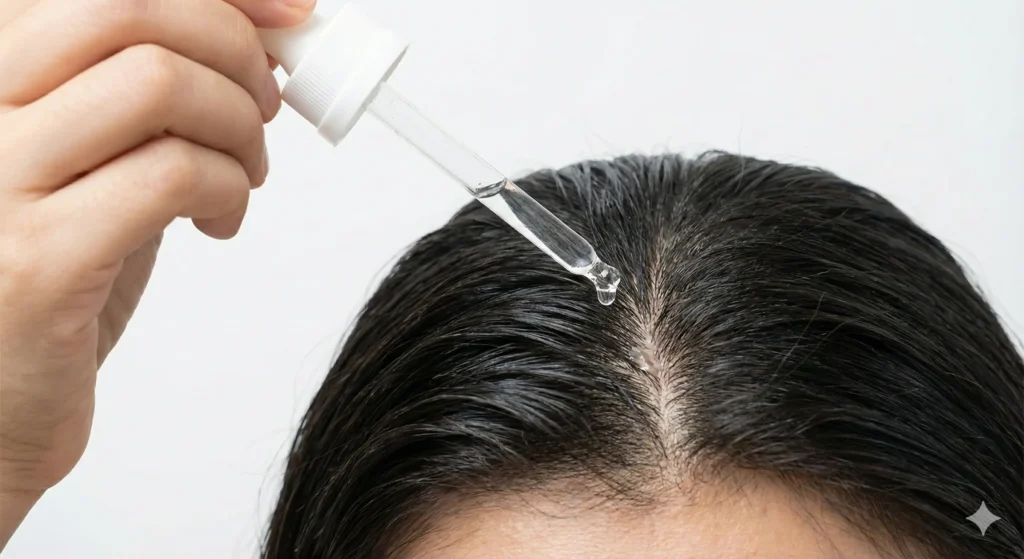
If you go the rosemary oil route, technique matters. You can’t just dump rosemary essential oil on your head.
The Rosemary Oil Dilution Recipe
Rosemary essential oil must be diluted. The ideal concentration for rosemary oil is 2-3% for efficacy without irritation.
Basic Rosemary Oil Recipe:
- 1 tablespoon (15 mL) carrier oil (jojoba, pumpkin seed, or coconut)
- 5-6 drops of 100% pure rosemary essential oil
For sensitive skin: Start with 1% rosemary oil dilution (2-3 drops per tablespoon)
Rosemary Oil Application Methods
Pre-Wash Rosemary Oil Treatment (Best for Fine/Oily Hair):
- Apply the rosemary oil mixture directly to your scalp
- Massage firmly with your fingertips for 5 minutes to stimulate blood flow
- Let rosemary oil sit for at least 30 minutes (up to 2 hours is fine)
- Shampoo thoroughly, you’ll probably need to wash twice
- Frequency: Use rosemary oil 2-3 times per week
Leave-In Rosemary Oil Treatment (Best for Dry/Coily Hair):
- Use a pre-mixed rosemary oil product like Mielle or make a very light blend
- Apply rosemary oil to scalp and massage
- Don’t rinse, style as usual
- Frequency: Apply rosemary oil daily or every other day
Rosemary Oil Shampoo Mix: Some people add rosemary oil drops directly to their shampoo bottle. This is convenient but less effective because the rosemary oil contact time with your scalp is too short before rinsing.
How to Use Minoxidil for Hair Growth Correctly
Minoxidil demands consistency. Miss too many minoxidil applications and you’ll start shedding.
Minoxidil Application: 1 mL of liquid (use the dropper) or half a capful of foam applied to affected areas of the scalp.
Timing: Apply minoxidil to a completely dry scalp. Water can dilute minoxidil effectiveness or increase absorption unpredictably.
Wait Time: Don’t wash your hair or get it wet for at least 4 hours after minoxidil application.
Minoxidil Frequency:
- Men: Apply minoxidil twice daily
- Women: Apply minoxidil once daily (5% foam) or twice daily (2% solution)
Commitment: Minoxidil must become as automatic as brushing your teeth. Missed minoxidil doses can trigger shedding.
The Quick Comparison: Rosemary Oil vs Minoxidil
Efficacy & Timeline: Rosemary Oil vs Minoxidil
| Feature | Minoxidil | Rosemary Oil |
|---|---|---|
| Clinical Evidence | FDA-approved, extensively studied | One major study, promising results |
| Time to Results | 3-4 months | 6+ months |
| Benchmark | 5% is the standard | Equivalent to 2% minoxidil |
| Mechanism | Extends growth phase, increases blood flow | Potentially blocks DHT, increases blood flow |
| Ease of Use | High (foam dries fast) | Low (oil is messy) |
Side Effects & Safety: Rosemary Oil vs Minoxidil
| Feature | Minoxidil | Rosemary Oil |
|---|---|---|
| Scalp Irritation | High (itching, flaking common) | Moderate (if undiluted or allergic) |
| Hair Texture | Can be drying (alcohol base) | Can be greasy (oil base) |
| Systemic Risks | Heart palpitations, dizziness | Blood pressure spikes, seizures (epilepsy) |
| Pregnancy Safe? | NO | NO |
| Pet Safety | Lethal to cats, toxic to dogs | Toxic to cats and dogs |
Can You Use Rosemary Oil and Minoxidil Together?
You don’t necessarily have to choose between rosemary oil vs minoxidil. Because they work through different (though overlapping) mechanisms, rosemary oil and minoxidil might be complementary for hair growth.
The Theory: Combining Rosemary Oil and Minoxidil
Minoxidil provides aggressive hair growth stimulation while rosemary oil offers antioxidant protection, scalp hydration (counteracting minoxidil’s drying effect), and potential DHT blocking.
A Combination Routine: Rosemary Oil and Minoxidil
Morning: Apply minoxidil foam. It dries quickly and allows for styling.
Evening: Apply minoxidil again (or use rosemary oil on non-washing days).
Pre-Wash Days: Use rosemary oil as a deep conditioning treatment to soothe your scalp from the alcohol in minoxidil.
Important: Don’t mix rosemary oil and minoxidil in the same bottle. The oil could create a barrier preventing the water-based minoxidil from penetrating your scalp, or it might dilute the minoxidil concentration.
The Final Verdict: Rosemary Oil vs Minoxidil for Hair Regrowth
This isn’t a battle between “scam” and “science.” The rosemary oil vs minoxidil debate is a choice between gentle holistic support and potent pharmaceutical intervention for hair growth.
Choose Minoxidil for Hair Growth If:
- You have moderate to severe hair loss (visible scalp showing)
- You want the highest statistical probability of hair regrowth
- You prefer a quick, non-greasy application
- You’re not pregnant or breastfeeding
- You’re willing to commit to lifetime daily minoxidil use
- You don’t have pets (especially cats) or can ensure they never contact minoxidil
Choose Rosemary Oil for Hair Growth If:
- You have mild thinning or want to improve hair density
- You have a sensitive scalp that can’t tolerate minoxidil
- You prefer a natural approach with fewer synthetic chemicals
- You have the patience to wait 6+ months for rosemary oil results
- You enjoy the ritual of scalp massage and hair care
- You’re not pregnant, nursing, or have epilepsy/severe hypertension
The Honest Expert Take on Rosemary Oil vs Minoxidil
For someone just noticing the first signs of thinning, rosemary oil for hair growth is an excellent, low-risk starting point (assuming no medical contraindications). Rosemary oil improves overall scalp health and encourages circulation.
But if your hair loss is aggressive, genetic, and affecting your confidence and mental health, minoxidil 5% remains the gold standard with the most reliable evidence for hair regrowth.
Here’s the truth most experts won’t tell you about rosemary oil vs minoxidil: the most effective hair growth treatment is the one you’ll actually use consistently. Hair regrowth is a marathon requiring months of daily commitment. Whether you choose rosemary oil for hair or minoxidil, your patience and consistency matter more than which product you pick.
Important Disclaimer
This guide about rosemary oil vs minoxidil for hair growth is for informational purposes only and doesn’t constitute medical advice. Hair loss can signal underlying health conditions like thyroid disorders, iron deficiency, or hormonal imbalances. Always consult a dermatologist or trichologist before starting any new hair regrowth treatment, whether rosemary oil or minoxidil, especially if your hair loss is sudden, patchy, or accompanied by other symptoms.
Your hair loss journey is personal. Don’t let internet strangers pressure you into any decision about rosemary oil vs minoxidil. Get professional guidance, consider your lifestyle and values, and choose the hair growth path that feels right for you.