
Postpartum Hair Loss: A Survival Guide for New Moms
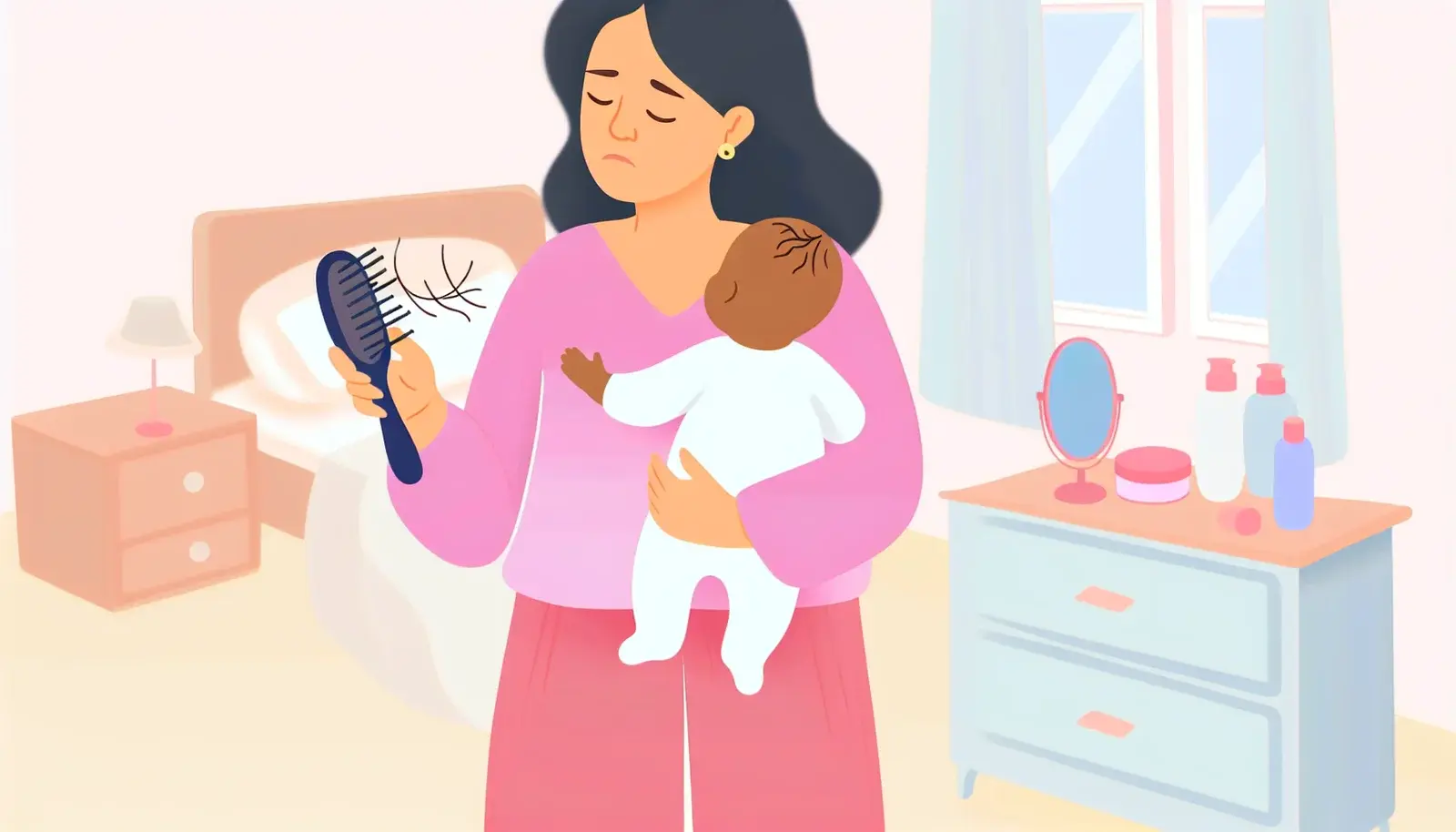
Postpartum hair loss is a physical reality that catches many new mothers off guard. You might find clumps of hair in the shower drain. You might see a receding hairline in the mirror. This experience is often terrifying. It feels permanent. It is not. This guide serves as a comprehensive resource for understanding this condition.
The medical term for this shedding is Telogen Effluvium. It is a temporary condition. It affects between 40 percent and 90 percent of women after childbirth. The shedding is a result of hormonal shifts. Your body is normalizing after pregnancy. The hair you lose is hair you kept during pregnancy.
This report offers a complete roadmap for recovery. We will cover the biology of hair growth. We will discuss the timeline of shedding and regrowth. We will analyze the safety of treatments like Minoxidil and rosemary oil while breastfeeding. We will review shampoos, supplements, and styling hacks. We will provide expert insights from dermatologists and trichologists. We will share real stories from other mothers.
The goal is to provide clarity. You need to know what is normal. You need to know when to see a doctor. You need practical solutions to manage the shedding. This survival guide is your manual for navigating postpartum hair changes.
TL;DR
This guide covers the following key areas:
- The Hormonal Mechanism: Why estrogen levels drop and trigger shedding.
- The Timeline: What to expect from month one to month twelve.
- Medical Differentials: How to distinguish normal shedding from thyroid issues or iron deficiency.
- Nursing-Safe Products: Analysis of Minoxidil, essential oils, and supplements.
- Hair Care Routine: Best shampoos, conditioners, and washing techniques.
- Styling for Thin Edges: Haircuts, root powders, and accessory hacks.
- Nutrition: The role of ferritin, biotin, and collagen.
- Expert Insights: Advice from dermatologists and trichologists.
- Real-World Examples: Coping strategies from parenting communities.
The Biology of Postpartum Shedding
You must understand the hair cycle to understand postpartum loss. Your hair does not grow continuously. It goes through phases. Pregnancy alters these phases. Childbirth resets them.
The Normal Hair Growth Cycle
The hair on your scalp follows a specific cycle. There are three main phases.
- Anagen (Growth Phase): The hair grows actively. This phase lasts two to six years. In a normal scalp, 85 to 95 percent of your hair is in this phase.
- Catagen (Transition Phase): The hair stops growing. The follicle shrinks. This lasts about ten days.
- Telogen (Resting Phase): The hair rests in the follicle. This lasts about three months. At the end of this phase, the hair falls out. A new hair pushes it out. This is the exogen event. Normally, 5 to 15 percent of your hair is in this phase.
You normally shed 50 to 100 hairs every day. This shedding is constant. You rarely notice it because it happens gradually. The hairs fall out one by one. New hairs replace them immediately.
The Pregnancy Shift
Pregnancy changes your hormones. Your placenta produces high levels of estrogen. Estrogen is a powerful hormone. It affects the hair cycle. High estrogen levels extend the anagen phase.
The hair that was scheduled to fall out stays on your head. The follicles remain in growth mode. They do not enter the resting phase. This leads to the “pregnancy glow.” Your hair becomes thicker. It becomes more voluminous. You might notice less hair in your brush. This is because you are not shedding the normal daily amount.
By the third trimester, your hair is at its peak. Almost all your hair is growing. Very little is shedding. This creates a false sense of density. You have an accumulation of hair that should have been lost months ago.
The Postpartum Drop
The baby is born. The placenta is delivered. Your hormone levels crash. Estrogen levels return to normal. Progesterone levels drop. This happens rapidly.
The support for the extended anagen phase disappears. The “lock” on your hair growth is removed. The follicles that were held in the growth phase release. They enter the telogen phase all at once. This is a synchronized event.
This condition is called Telogen Effluvium. It is a shock to the system. The hairs do not fall out immediately. They must complete the resting phase. The resting phase lasts about three months (100 days). This is why you do not see hair loss the day after birth. You see it months later.
The Role of Breastfeeding
Breastfeeding involves another hormone called prolactin. Prolactin stimulates milk production. It also suppresses ovulation. It affects estrogen levels.
Some research suggests breastfeeding might affect hair loss timing. One study indicates that the duration of breastfeeding is a predictor of hair loss. Breastfeeding might delay the return of normal ovarian cycles. This keeps estrogen levels low for longer.
However, breastfeeding does not prevent hair loss. The hair cycle must reset. Most women experience shedding regardless of how they feed their baby. The drop in hormones is inevitable. The hair that was retained must be shed. This process is natural. It is a sign that your body is returning to its pre-pregnancy state.
The Regrowth Timeline
The timeline of shedding is predictable. Most women follow a similar pattern. Understanding this timeline helps manage anxiety. You know what to expect. You know when it will end.
The Latent Phase: Months 0 to 3
You might not notice any changes immediately postpartum. Your hair might still feel thick. This is the latent phase. The follicles have switched to the resting mode. The hair is still anchored in the scalp. It is dead, but it has not fallen out yet.
New mothers often worry during this time. They hear about hair loss. They wait for it. It does not happen yet. This period matches the duration of the telogen phase.
The Onset: Month 3
The shedding typically starts around the three-month mark. You might notice more hair in your brush. You might see loose strands on your pillow. You might find hairs on your baby’s clothes.
This timing is precise. It is exactly three months after the hormonal drop. Dr. Joel Bernstien notes that postpartum hair loss usually begins around three months postpartum. This confirms the biological clock of the hair follicle.
The Peak: Months 4 to 6
The shedding intensifies. This is the most difficult phase. You might lose 300 to 400 hairs a day.11 This is three to four times the normal amount.
You might see clumps of hair in the shower. The drain might clog. You might feel a difference in your ponytail thickness. The hair around your temples might thin. This is called temporal recession.
Real-world reports confirm this peak. Many mothers describe this period as “the worst part”. They describe losing “fistfuls” of hair daily. This is the acute phase of Telogen Effluvium. It is alarming, but it is normal.
The Stabilization: Months 6 to 9
The shedding begins to slow down. You will notice less hair in the shower. The acute loss subsides.
You might start to see regrowth. Short hairs appear along the hairline. These are often called “baby hairs.” They stick up. They are difficult to style. But they are a good sign. They mean the follicles are active again. They are producing new hair.
The Recovery: Months 12 and Beyond
Most women see a full recovery by their baby’s first birthday. The hair density returns to normal. The growth cycle normalizes. You return to shedding 50 to 100 hairs a day.
However, the texture might be different. Some women find their hair is finer. Some find it is wavier. Hormones can permanently alter hair texture. If your hair is not recovering by 15 months, you should see a doctor. Extended hair loss requires investigation.
| Phase | Time Post-Birth | What Happens | What You See |
| Latent | 0 – 3 Months | Follicles enter resting phase. | No visible change. Hair feels thick. |
| Onset | 3 – 4 Months | Resting hairs detach. | Increased shedding in brush. |
| Peak | 4 – 6 Months | Maximum shedding occurs. | Clumps in shower. Thinning temples. |
| Regrowth | 6 – 12 Months | New hairs sprout. | “Baby hairs” appear. Shedding slows. |
| Normal | 12+ Months | Density restores. | Volume returns. Normal daily shedding. |
Medical Red Flags: When It Is Not Just Hormones
Postpartum hair loss is normal. But other conditions can mimic it. You need to know the difference. Sometimes, hair loss is a symptom of a deeper issue.
Postpartum Thyroiditis
Your thyroid gland can malfunction after birth. This affects 5 to 10 percent of women.Postpartum Thyroiditis has two phases. Both can cause hair loss.
Phase 1: Hyperthyroidism (1-4 months)
Your thyroid is overactive. Symptoms include anxiety and rapid heartbeat. You might feel hot all the time. You might lose weight quickly. Hair loss in this phase is diffuse. It might feel fine and brittle.16
Phase 2: Hypothyroidism (4-8 months)
Your thyroid slows down. Symptoms include fatigue and depression. You might gain weight. You might feel cold. You might have dry skin. Hair loss continues. It can be severe.
If you have these symptoms, do not ignore them. Hair loss combined with anxiety or fatigue needs a checkup. Ask for a thyroid panel. This is a blood test. It measures TSH, T3, and T4 levels. Treatment is available. It can resolve the hair loss.
Iron Deficiency and Ferritin
Pregnancy depletes your iron stores. Childbirth causes blood loss. This leads to iron deficiency. Iron is crucial for hair growth.
Hair cells divide rapidly. They need iron to make DNA. A protein called ferritin stores iron in your body. Low ferritin triggers hair loss.
Dermatologists look at ferritin levels.
- Optimal Level: Above 70 ng/mL is needed for a regular hair cycle.
- Adequate Level: Between 40 and 60 ng/mL is sufficient.
- Deficient Level: Below 30 ng/mL can cause shedding.
- Clinical Anemia: Below 12-13 ng/mL.
Many women have normal hemoglobin but low ferritin. This is “iron deficiency without anemia.” It still causes hair loss. A study found over 90 percent of women with hair loss had inadequate ferritin.
Request a ferritin test. Do not just check hemoglobin. If your ferritin is low, supplements can help. Regrowth takes time. Ferritin levels must rise before hair recovers.
Female Pattern Hair Loss
Postpartum shedding is diffuse. It happens all over the head. Female Pattern Hair Loss is different. It is genetic. It causes thinning on the top of the head. The part line widens.
Pregnancy can unmask this condition. The drop in estrogen reveals the genetic tendency. If your hair loss is focused on the crown, see a dermatologist. If the part line is getting wider, seek help. Treatments for pattern hair loss are different from temporary shedding.
Breastfeeding and Treatment Safety
You want to treat the hair loss. You also want to keep your baby safe. If you are breastfeeding, you must be careful. Everything you take can pass into breast milk.
Minoxidil (Rogaine)
Minoxidil is the most effective topical treatment for hair loss. It stimulates follicles. It prolongs the growth phase. But is it safe for nursing moms?
The Data
Minoxidil is excreted in breast milk. One study showed low levels in milk after oral administration. Topical use results in much lower absorption. Less than 2 percent of the drug enters the bloodstream from the scalp.
The Risks
There is one report of a breastfed infant developing excessive hair growth. The baby developed black hair on the forehead. The hair fell out after the mother stopped the drug. This suggests the drug can affect the baby.
The Consensus
The American Academy of Pediatrics considers it compatible with breastfeeding. LactMed suggests using it with caution. It is likely safe for older, full-term infants. It should be avoided with preterm or newborn infants.
- Precaution: Do not let the baby touch your hair or scalp. Wash your hands after applying it. Apply it after the last feed of the day if possible.
Rosemary Oil
Rosemary oil is a popular natural remedy. It is often compared to Minoxidil. It promotes blood circulation. It inhibits DHT on the scalp.
Safety Concerns
Natural does not always mean safe. Rosemary oil contains camphor. Camphor can be toxic to infants if ingested. It can cause seizures in high doses.
Some sources advise avoiding “medicinal” doses of rosemary oil while breastfeeding. They cite potential effects on milk supply or toxicity.
Safe Use
Topical use is likely safe if diluted. Never use undiluted essential oil on the skin. Dilute it in a carrier oil like jojoba or coconut oil.
- Precaution: Ensure the oil does not touch the baby. Wash your hair before nursing if the baby touches your head. Do not apply it to the breast or chest area.27The e-lactation database lists it as “Low Risk” but advises caution.
Anti-Androgens
Medications like Spironolactone or Finasteride are dangerous. They block male hormones. They can harm a male infant’s development. They are strictly contraindicated during pregnancy and breastfeeding. Do not use them without explicit doctor approval.
Nutritional Support: Fueling Regrowth
Your body just grew a human. It is now producing milk. It is recovering from birth. It needs fuel. Hair is a non-essential tissue. Your body prioritizes vital organs over hair. You must provide enough nutrients for both.
The Pre vs. Postnatal Vitamin Debate
You took prenatal vitamins during pregnancy. Should you switch to postnatals?
- Prenatal Vitamins: These are designed for the fetus. They are high in iron and folic acid. They support neural development and blood volume.
- Postnatal Vitamins: These are designed for the mother. They focus on recovery and lactation. They often contain higher Vitamin D. They contain more B vitamins for energy. They include nutrients like choline for the baby’s brain development via milk.
Both are beneficial. Postnatals might be better targeted for the “fourth trimester.” They address the depletion caused by breastfeeding. Look for brands with Vitamin D and Iron.
Biotin (Vitamin B7)
Biotin is the most famous hair vitamin. It helps produce keratin. Keratin is the protein that makes up hair.
- Does it work? There is limited evidence for healthy people. It works best if you are deficient.
- Breastfeeding Safety: It is safe in recommended doses. Doses up to 2,500 mcg are considered safe. High doses can interfere with thyroid lab tests. Tell your doctor if you take it.
Collagen Peptides
Collagen is a protein. It provides amino acids. These amino acids build hair and skin.
- Safety: Collagen is generally safe for breastfeeding. It is a food supplement. It is digested like any other protein.
- Benefits: It may improve skin elasticity. It may support postpartum tissue recovery. Anecdotal evidence suggests it helps hair thickness. Choose a reputable brand. Ensure it is free of heavy metals.
Hydration
Breastfeeding requires a lot of water. You lose fluids constantly. Dehydration affects cell growth. It affects the scalp. Drink plenty of water. Your hair needs hydration from the inside out.
Hair Care Routine: Products and Techniques
Your hair is fragile. It is falling out. You need to treat it gently. The wrong products can make it look thinner. The right routine can maximize volume.
The Shampoo Strategy
Dermatologists recommend volumizing shampoos. They warn against “conditioning” shampoos.
- Volumizing Shampoos: These contain proteins. The proteins coat the hair shaft. They make each strand appear thicker. They do not weigh the hair down.
- Conditioning Shampoos: These contain heavy silicones and oils. They are great for dry hair. They are bad for thin hair. They make hair lie flat against the scalp. This exposes the thinning areas.
Top Picks:
- Living Proof Full Shampoo: Uses proprietary technology to repel dirt and add volume.
- Nioxin System: Designed for thinning hair. It cleanses the scalp of sebum. It creates a healthy environment for growth.
- Budget Option: Aldi’s “Little Journey” baby wash. A user on Reddit described it as a “holy grail.” It is gentle. It is cheap. It leaves hair weightless.
Conditioner Application
Never put conditioner on your scalp. It clogs follicles. It flattens roots.
- Technique: Apply conditioner only to the ends of your hair. Start from the ears down. Rinse thoroughly. This keeps the roots lifted and the ends moisturized.
To Wash or Not to Wash?
There is a myth that washing causes hair loss. You see hair in the drain. You think washing is the cause.
- The Truth: Washing removes loose hair. It does not cause the loss. The hair was already detached.
- Expert Advice: Dr. Anabel Kingsley says frequent shampooing is vital. It keeps the scalp clean. It removes dead skin and sweat. A healthy scalp supports new growth. A dirty scalp can get inflamed. Inflammation worsens shedding.
- Recommendation: Wash as needed to keep the scalp clean. Use a gentle touch.
Brushing and Detangling
Wet hair is weak. It breaks easily.
- Hack: Brush your hair before the shower. This removes the loose hairs while dry. It prevents tangles in the shower. It reduces the “shock” of a clogged drain.
- Tool: Use a wide-tooth comb. Start from the ends and work up. Be gentle. Do not rip through knots.
Styling Hacks for Thinning Hair
You cannot stop the shedding. You can hide it. Styling tricks can mask the thinning areas. They can boost your confidence while you wait for regrowth.
The “Mom Cut”
Long hair is heavy. It pulls on the roots. It looks stringy when thin.
- The Blunt Bob: This is the best cut for thin hair. A blunt line creates weight at the ends. It makes hair look thicker.
- The Lob: A long bob is versatile. You can still tie it back. It frames the face.
- Curtain Bangs: These are a lifesaver for receding temples. They cover the “bald spots” at the hairline. They hide the awkward regrowth.
- Internal Layers: These add texture. They create volume at the crown. Avoid heavy layers that thin out the ends.
Root Touch-Up Powders
These are makeup for your hair. They are essential for hiding scalp visibility.
- Product: Color Wow Root Cover Up. This is a mineral powder. It is water-resistant. You brush it onto the scalp. It covers the white space. It mimics hair density.
- Alternative: L’Oreal Magic Root Cover Up. This is a spray. It is quick and easy. Use a light hand to avoid a painted look.
- Reviewers Say: These products are game-changers. They stay put until you shampoo. They blend seamlessly.
The Eyeshadow Hack
You do not need expensive products. You can use eyeshadow.
- How to do it: Find a matte eyeshadow that matches your hair color. Use a makeup brush. Dab it onto the thinning part line. Dab it on the temples.
- Result: It reduces the contrast between hair and scalp. It makes the hair look instantly fuller.
- Tip: Check it in natural light. Make sure it is blended.
Taming the “Halo”
Regrowth creates short, spiky hairs. They stick straight up.
- Tool: Use a clean mascara wand or a toothbrush. Spray it with hairspray. gently brush the flyaways down.
- Effect: This smooths the hair without flattening the volume. It looks polished. Clear brow gel also works well.
Accessories
- Headbands: Wide fabric headbands cover the hairline. They hide the thinning temples. They are stylish and practical.
- Scarves: A silk scarf can conceal messy hair. It protects the hair from friction. It is a quick fix for bad hair days.
- Silk Scrunchies: Ditch the elastic bands. They cause breakage. Silk scrunchies are gentle. They prevent the “ponytail dent.” They reduce tension on the roots.
The Psychology of Hair Loss
Hair is tied to identity. Losing it is emotional. It can feel like losing a part of yourself. This happens when you are already vulnerable. You are sleep-deprived. You are recovering from birth.
The Emotional Toll
Many women report feeling “ugly” or “old.” They feel less feminine. The visual shock of a receding hairline can trigger anxiety.
- Expert View: The emotional distress is profound. It affects self-esteem and social interactions.
- Community Support: You are not alone. Millions of women go through this. Online communities provide support. They share stories. They validate feelings.
Coping Strategies
- Acceptance: Acknowledge the loss. It is happening. It is temporary. Fighting it causes stress. Stress worsens hair loss.
- Control: Focus on what you can control. You can control your nutrition. You can control your cut. You can control your styling.
- Perspective: This is a season. It will pass. Your hair will grow back. Focus on your baby. Focus on your health.
Real-World Voices: Stories from the Trenches
We analyzed hundreds of comments from parenting forums. Here is what real moms say.
The “Clump” Horror
“I was losing fistfuls of hair every day. I couldn’t run my fingers through my hair without pulling out a clump. I cried in the shower.”.
- Takeaway: The volume of loss is shocking. It feels wrong. But it is the most common shared experience.
The “Bangs” Phase
“I looked like a mad scientist. I had these horns of hair sticking out of my temples. Nothing would lay flat.”.
- Takeaway: Regrowth is awkward. It looks funny. Humor helps. Styling wax helps.
The Success Stories
“It stopped around 6 months. By my son’s first birthday, my hair was back to normal. It just took time.”.
- Takeaway: It ends. The hair returns. Patience is the only real cure.
Product Reviews
“I tried expensive shampoos. They didn’t work. The only thing that helped was time and a good haircut.”.
- Takeaway: Do not spend a fortune on miracle cures. Products support the hair, but they do not stop the hormonal shedding. Save your money for good food and a good stylist.
Expert Insights
Dr. Anabel Kingsley, Trichologist
“Postpartum hair shedding is completely normal, and is absolutely nothing to worry about. Shedding should taper off about six months postpartum, and the hair you lose will grow back.”.
She emphasizes scalp health. “A flaky, oily scalp worsens hair shedding.” She recommends daily scalp care.
Dr. Dray, Dermatologist
She advises against heavy conditioners. She recommends using Nizoral shampoo if you have dandruff. She confirms that supplements are not necessary if your diet is good. She stresses that Minoxidil is an option but requires caution.
Dr. Joel Bernstien, OB-GYN
“With the drop in estrogen, the hair transitions from a growth cycle to a shedding cycle.” He explains that it isn’t true hair loss, it is just delayed shedding.
Frequently Asked Questions (FAQs)
Q: Can I stop postpartum hair loss?
A: No. It is hormonal. You cannot stop the hormone drop. You can only support the regrowth. Do not believe products that claim to “stop” the shedding immediately.
Q: Will I go bald?
A: No. The shedding is diffuse. You might have thin spots, especially at the temples. But you will not go completely bald from postpartum shedding alone. If you see round bald patches, see a doctor.
Q: How long does it last?
A: The shedding starts at 3 months. It peaks at 4-6 months. It tapers off by 6-9 months. Regrowth is visible by 12 months.
Q: Should I cut my hair?
A: Yes. A shorter cut makes the hair look fuller. It reduces tangling. It is easier to manage with a baby.
Q: Is it safe to dye my hair?
A: Yes. You can dye your hair. It does not affect the follicle. However, your scalp might be sensitive. Do a patch test first.
Q: Does stress make it worse?
A: Yes. Stress raises cortisol. Cortisol pushes hair into the resting phase. Try to manage stress. Sleep when you can. Ask for help.
Conclusion
Postpartum hair loss is a rite of passage. It is the body’s way of resetting. It is messy. It is emotional. But it is temporary.
You are shedding the hair that protected you during pregnancy. You are making way for new growth. The “horns” and “baby hairs” will eventually blend in. The shower drain will eventually stay clear.
Until then, treat yourself with kindness. Eat well. Check your iron levels. Use a volumizing shampoo. Try a new haircut. And remember, this too shall pass. You are not losing your beauty. You are just changing seasons.
Key Takeaways:
- It is Normal: Shedding peaks at 4 months.
- It is Temporary: Regrowth starts by 6-9 months.
- Check Your Health: Test ferritin and thyroid levels if loss is severe.
- Be Gentle: Use wide-tooth combs and silk scrunchies.
- Be Patient: Time is the best treatment.
This guide provides the knowledge you need. You have the tools. You understand the science. Now, you can survive postpartum hair loss with confidence.
(Disclaimer: This guide is for informational purposes only. It is not medical advice. Always consult your doctor for specific medical concerns.)