
Top 10 Foods for Thicker Hair (That You’re Not Eating)
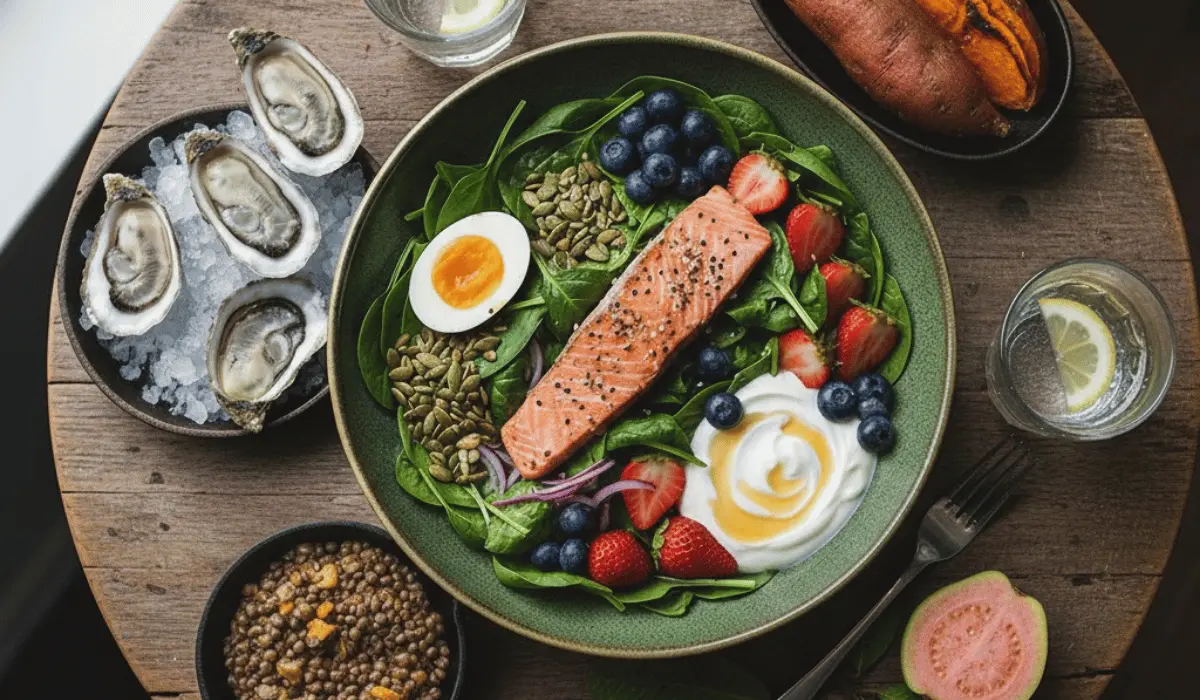
A successful diet for hair growth starts with high protein and stabilized iron levels and low sugar intake. Your body views hair as a non-essential tissue. It will always send nutrients to your heart and lungs before your scalp. To achieve thick hair you must provide a surplus of vitamins and minerals. This ensures your follicles have the energy to stay in the growth phase. Consuming foods for thick hair like oysters and salmon and pumpkin seeds can provide these essential building blocks. Focus on nutrient density to see a visible change in your hair volume.
Your hair is a reflection of your internal health. When you lack key nutrients your hair becomes the first thing to suffer. This usually shows up as increased shedding or brittle strands that break easily. By choosing to eat for hair health you are supporting the biological processes that create keratin. This blog post explores the science of follicular nutrition and the specific foods you need to add to your plate.
Ferritin & Iron for Follicular Oxygenation
Iron is the most critical mineral for preventing hair thinning and promoting structural thickness. Its primary job is to help red blood cells carry oxygen to your tissues. Hair follicles have a very high metabolic rate. They require a constant supply of oxygen to keep cells dividing rapidly. If your iron levels are low the metabolic activity in your follicles will drop. This leads to shorter growth cycles and much thinner hair shafts.
The specific marker you need to track is called serum ferritin. Ferritin is the protein that stores iron in your body. Most doctors consider a ferritin level of 15 nanograms per milliliter to be normal. However hair experts suggest that optimal hair growth requires levels between 60 and 70 nanograms per milliliter. If your levels fall below 40 nanograms the body starts to pull iron from your hair follicles to use for vital organs. This results in chronic shedding across the entire scalp.
The Mechanism of Iron Storage
The body uses the iron stored in your follicles to maintain blood health when your diet is lacking. This process effectively starves the hair root. Including iron rich foods in your daily routine is the only way to keep these stores full. Heme iron found in animal products like beef and shellfish is the easiest for your body to absorb. Plant-based iron is also helpful but it requires a few extra steps for the body to process.
If you rely on plant-based nutrition for hair loss you should pair your iron sources with vitamin C. This vitamin acts as a key that unlocks the iron in plants and makes it usable for your scalp. You should also avoid drinking coffee or tea during your meals. The tannins in these drinks can block iron absorption by up to 60 percent. Keeping your iron levels high ensures your follicles stay in the anagen or growth phase for as long as possible.
Omega-3 Fatty Acids and Scalp Inflammation
Omega-3 fatty acids are essential fats that your body cannot produce on its own. They play a vital role in maintaining the hydration and elasticity of each hair fiber. These fats support the health of your scalp by regulating the oil produced in your sebaceous glands. A healthy scalp environment is the foundation for thick and lustrous hair. Without enough omega-3s your scalp can become dry and inflamed which restricts growth.
Chronic inflammation is a leading cause of hair follicle miniaturization. Omega-3 fatty acids have powerful anti-inflammatory properties that protect the hair bulb from oxidative stress. When inflammation is low your follicles can function at their maximum capacity. This leads to an increase in hair density and a significant reduction in the rate of hair fall. Studies on women have shown that omega-3 supplementation can visibly improve hair diameter within six months.
Sebum Production and Fiber Elasticity
The glands attached to your hair follicles use healthy fats to create sebum. This is your body’s natural conditioner. High-quality sebum prevents your hair from becoming brittle. Breakage is often confused with hair loss but it prevents you from reaching your goal of thicker hair. Omega-3s ensure that the sebum is thin and protective rather than thick and pore-clogging. Oily fish like salmon and mackerel are the gold standard for these fats.
Plant-based sources like flaxseeds and walnuts provide a type of omega-3 called alpha-linolenic acid. Your body has to convert this into the active forms of EPA and DHA to benefit your hair. This conversion process is not always efficient. For the best results you should try to include marine sources of omega-3 in your diet for hair growth. These fats also support the cell membranes within the follicle to ensure every new hair is strong from the start.
Protein Intake and Keratin Synthesis
Protein is the primary building block of your hair. Each strand is made of a tough protein called keratin. If you do not consume enough protein your hair will become weak and dry and thin. Severe protein deficiency can even cause the body to stop the growth phase entirely. This is a survival mechanism to conserve amino acids for your heart and brain. To maintain hair density you must hit a higher protein target than the average person.
An effective diet for hair growth provides between 1.2 and 2.0 grams of protein per kilogram of body weight. This level of intake ensures there is enough material left over for your hair and nails. Amino acids like cysteine and lysine are especially important for the structure of your hair. These molecules help create the cross-links that give your hair its strength. Lean meats and eggs are the most bioavailable sources of these essential building blocks.
Timing Your Protein Intake
Hair follicles are most active during the day. This is why experts recommend eating protein at both breakfast and lunch. Many people wait until dinner to eat their protein but this may be too late for your follicles. Providing a steady flow of amino acids throughout the day keeps the production of keratin consistent. This results in hair that is thicker and more resistant to snapping.
If you are a vegetarian you can find these proteins in lentils and chickpeas and quinoa. You should aim for a variety of these sources to ensure you get all the different amino acids your hair requires. Protein-rich foods are often packed with other nutrients like zinc and iron. This makes them a double win for your scalp health. Increasing your protein is the most immediate way to improve the quality of your hair.
The Sugar-Shedding Link
High sugar consumption is a hidden enemy of thick hair. When your blood sugar is constantly high your body goes through a process called glycation. This is when sugar molecules attach themselves to proteins like collagen in your scalp. This process creates advanced glycation end products which are often called AGEs. These products cause the tissue around your follicles to become stiff and less flexible.
Glycation reduces the blood flow to your scalp. When the capillaries in your scalp harden they cannot deliver the oxygen and nutrients your hair needs to grow. Over time this leads to follicle miniaturization. This means your hair grows back thinner and shorter with every new cycle. Avoiding processed sugars and refined carbs is a vital part of nutrition for hair loss prevention. Keeping your blood sugar stable protects the structural integrity of your scalp.
Insulin Resistance and Thinning
Excessive sugar also leads to insulin resistance. This condition can trigger a rise in androgen hormones in both men and women. These hormones are known to shrink hair follicles and cause pattern thinning. Managing your insulin levels through a low-glycemic diet helps keep these hormones in check. Stable blood sugar also reduces the physical stress on your body which prevents sudden shedding events.
Choosing complex carbohydrates like sweet potatoes and oats provides a slow and steady release of energy. This prevents the insulin spikes that can shock your hair follicles into the resting phase. Many people notice that their hair becomes thicker and shinier when they reduce their intake of sugary snacks. Protecting your follicles from metabolic damage is just as important as feeding them the right vitamins.
| Nutrient | Primary Benefit | Best Food Source |
| Iron | Delivers oxygen to the hair root | Beef and Spinach |
| Zinc | Repairs tissue and balances oil | Oysters and Pumpkin Seeds |
| Biotin | Supports keratin production | Eggs and Almonds |
| Omega-3 | Reduces scalp inflammation | Salmon and Walnuts |
| Vitamin C | Boosts collagen and iron intake | Berries and Guava |
Top 10 Foods for Thicker Hair
Selecting the right foods can provide a concentrated dose of the nutrients your hair craves. These ten foods are selected for their high nutrient density and their ability to support the hair growth cycle.
1. Oysters for Zinc
Oysters are the best food you can eat for zinc. Zinc is a trace mineral that helps with cell reproduction and tissue repair. It also keeps the oil glands around your follicles working properly. One medium oyster provides almost your entire daily requirement of zinc. This mineral is essential for creating the proteins that make up your hair. Without enough zinc you may experience a dry and flaky scalp and thin hair.
2. Eggs for Biotin
Eggs are a powerhouse of nutrition for hair loss prevention. They contain a high amount of biotin which is often called the hair growth vitamin. Biotin is necessary for the production of keratin. Eggs also provide high-quality protein and vitamin D and zinc. The combination of these nutrients makes eggs an easy and affordable way to boost your hair health. Always eat the yolk as that is where most of the vitamins are stored.
3. Salmon for Hydration
Salmon is rich in omega-3 fatty acids and vitamin D. These nutrients help your scalp stay hydrated and healthy. Vitamin D is especially important because it may help wake up dormant hair follicles. Salmon is also a great source of protein which supports the strength of each hair strand. Including salmon in your weekly meals can lead to a visible increase in hair shine and density.
4. Spinach for Iron
Spinach is a top choice among iron rich foods for vegetarians. It is also packed with folate and vitamins A and C. These nutrients work together to keep your scalp moisturized and your follicles well-fed. The iron in spinach helps your blood carry oxygen to the scalp. Pairing spinach with a squeeze of lemon juice will help your body absorb as much iron as possible.
5. Greek Yogurt for Vitamin B5
Greek yogurt contains a high concentration of protein and vitamin B5. This vitamin is known to improve blood flow to the scalp and may help prevent hair thinning. Greek yogurt also provides probiotics which support gut health. A healthy gut is necessary for the proper absorption of all the nutrients you eat for hair health. Make sure to choose plain yogurt to avoid the damaging effects of added sugar.
6. Sweet Potatoes for Scalp Health
Sweet potatoes are one of the best sources of beta-carotene. Your body converts this compound into vitamin A. This vitamin is essential for the production of sebum which keeps your hair from becoming brittle. A healthy amount of sebum protects the hair shaft and prevents breakage. Sweet potatoes are also a complex carbohydrate that provides steady energy to your follicles.
7. Berries for Collagen
Berries like strawberries and blueberries are full of antioxidants and vitamin C. These compounds protect your hair follicles from damage caused by free radicals. Vitamin C is also required for your body to produce collagen. Collagen strengthens the hair strands and prevents them from splitting. Adding a handful of berries to your breakfast is a great way to start your day for hair health.
8. Lentils for Plant Protein
Lentils are a vital food for anyone following a plant-based diet for hair growth. they provide a rich source of protein and iron and zinc and biotin. These nutrients are the fundamental building blocks of thick hair. Lentils are also high in fiber which helps regulate blood sugar. This prevents the glycation process that can age your scalp and thin your hair.
9. Pumpkin Seeds for Magnesium
Pumpkin seeds are a convenient snack that is loaded with zinc and magnesium and iron. Some research suggests that pumpkin seeds may help block the hormone DHT which is linked to pattern hair loss. They also contain healthy fats that support scalp hydration. Just a small handful of these seeds every day can provide a significant boost to your mineral intake.
10. Guava for Vitamin C
Guava is a tropical fruit that contains significantly more vitamin C than an orange. This high dose of vitamin C protects your hair from breaking and helps your body absorb iron. One cup of guava can provide more than four times your daily requirement of this vitamin. It is a powerful tool for maintaining the strength and resilience of your hair fibers.
Real-World Examples of Dietary Success
Many people have seen their hair transform simply by changing what they eat. These real-world stories show that consistency in your diet can yield impressive results.
- The Protein Boost: One woman struggling with thin hair started drinking a daily protein shake with 50 grams of protein. She also added chia seeds and flaxseeds to her routine. Within three months she noticed hundreds of new baby hairs growing along her hairline.
- The Sugar Detox: A man with thinning hair cut out all processed sugar for two weeks. He reported that his hair felt stronger and the shedding stopped almost immediately. When he went back to eating sugar the thinning returned. This shows the fast link between blood sugar and hair health.
- The Iron Restoration: A patient with severe hair loss found she had very low ferritin levels. She began eating more red meat and spinach paired with vitamin C. Once her ferritin levels reached 70 nanograms her hair started to grow back in thick and healthy.
- The Probiotic Effect: A clinical study found that people who consumed a probiotic drink made with kimchi saw an increase in hair count and thickness after one month. The probiotics helped improve blood flow to the scalp and stimulated the growth phase of the follicles.
Expert Insights for Maximum Thickness
Trichologists and hair experts agree that nutrition is the most important factor for long-term hair health. Here are some of their top tips for maximizing your results.
- Never skip breakfast. Your follicles have the least amount of energy in the morning. A balanced breakfast of protein and complex carbs gives them the fuel they need to grow.
- Hydration is key. A dehydrated scalp cannot support healthy growth. Aim to drink at least two liters of water every day to keep your scalp and hair hydrated.
- Watch your salt intake. Too much salt can cause water retention in the scalp which may interfere with nutrient delivery to the follicles.
- Manage your stress. High stress levels can push your hair into the resting phase. Combining a good diet with stress management is the best way to prevent sudden hair loss.
- Be patient with your progress. It takes about three to six months to see the impact of a diet change. Your hair grows slowly and it needs time to reflect your improved internal health.
FAQ
How quickly will I see results from a new diet?
It usually takes at least 90 days to see a visible change in your hair. This is because the hair growth cycle is a slow process. You will likely notice a reduction in shedding before you see an increase in thickness.
Can I get enough iron from a vegetarian diet?
Yes you can. You should focus on iron rich foods like lentils and spinach and fortified cereals. Remember to always eat these with a source of vitamin C to maximize your absorption.
Does caffeine affect my hair growth?
Drinking too much coffee or tea can block your body from absorbing iron. It is best to wait at least one hour after a meal before drinking these beverages. This ensures your hair gets the minerals it needs.
Is biotin the only vitamin I need for thick hair?
Biotin is important but it is not a magic solution. You need a balance of protein and iron and zinc and healthy fats to see real results. A varied diet is always better than a single supplement.
Can sugar really cause my hair to fall out?
Yes. High sugar leads to inflammation and glycation which can damage your follicles. Keeping your blood sugar stable is one of the best things you can do for your hair density.
Why is protein so important for hair?
Your hair is almost entirely made of protein. If you do not eat enough of it your body will prioritize your vital organs and stop sending protein to your hair follicles.
Conclusion
Building a diet for hair growth is the most effective way to achieve the thick hair you desire. By focusing on iron rich foods and high-quality proteins you give your follicles the energy they need to thrive. Reducing your sugar intake and managing inflammation will protect your scalp from the aging process. Remember to eat for hair health every day and be patient with the results. Your hair is a living part of your body and it responds best to consistent and nutrient-dense care. Start adding these top 10 foods to your plate today and watch your hair transform from the inside out.