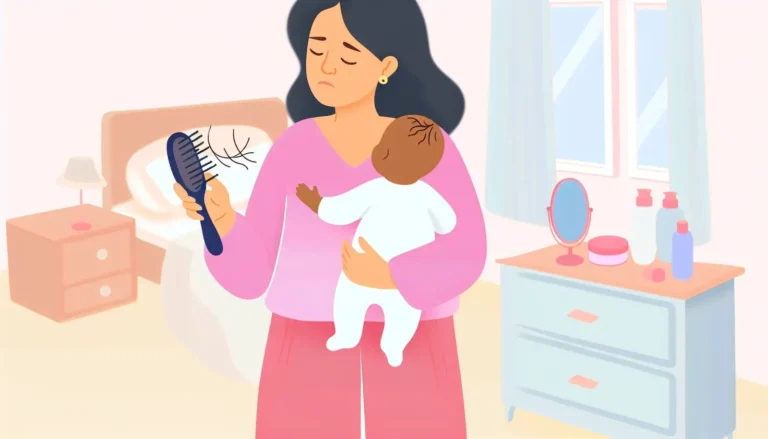
Stress Hair Loss (Telogen Effluvium): Hitting Reset

Stress hair loss is a temporary condition where physical or emotional shock pushes hair into a resting phase. This condition is medically known as telogen effluvium. It results in diffuse thinning rather than patchy baldness. Most people notice increased shedding two to three months after a stressful event. The good news is that this process is reversible. You can hit the reset button on your hair growth by managing cortisol and improving nutrition. Understanding the biology of your scalp is the first step toward telogen effluvium recovery.
Cortisol vs. Hair Cycle
Cortisol is the primary hormone that links your mental state to your physical growth. The body produces cortisol in the adrenal glands during times of high stress. While cortisol helps the body handle immediate danger, it is very destructive to hair follicles. High levels of cortisol cause a breakdown of essential skin components. This hormone specifically targets structural molecules called proteoglycans. These include hyaluronan and various proteins that support the hair root.
Research shows that elevated cortisol can reduce these elements by about 40 percent. This degradation weakens the environment around the follicle. The hair follicle needs these proteoglycans to stay in the active growth phase. When they are depleted, the follicle receives a signal to stop growing. It then enters a resting state prematurely. This disruption is the core mechanism of stress hair loss.
The hair growth cycle consists of four distinct stages. Anagen is the growth phase and lasts for several years. Catagen is a short transition period of about two weeks. Telogen is the resting phase that lasts for roughly three months. Finally, exogen is the phase where the hair actually sheds. Under normal conditions, about 90 percent of your hair is in the growth phase. Stress hair loss flips this ratio by forcing a large number of follicles into the telogen phase.
This premature transition is known as immediate anagen release. It acts like an emergency brake on hair production. Because the telogen phase takes three months to complete, you do not lose hair immediately. This delay often makes it hard for people to identify the cause of their shedding. By the time the hair falls out, the stressful event might be over. Managing cortisol and hair health is essential to stop this cycle from repeating.
Acute vs. Chronic Stress
The duration of your stress determines how your hair loss will behave. Experts divide telogen effluvium into two main categories based on timing and triggers. Acute telogen effluvium is a short term event. It usually lasts less than six months. This type of loss follows a single, sharp shock to the system. Common triggers include high fevers, major surgery, or a sudden emotional tragedy. The shedding in acute cases is often very heavy and sudden.
Chronic telogen effluvium is more persistent. It is defined as hair shedding that lasts longer than six months. This condition often affects middle aged women more than other groups. The triggers for chronic loss are usually ongoing. They might include long term work stress or hidden medical issues like thyroid imbalances. In chronic cases, the hair might seem to recover and then thin out again in cycles. This makes telogen effluvium recovery a longer process for these individuals.
The way the hair sheds can also vary. Trichologists identify different mechanisms for how stress disrupts the cycle. Some triggers cause the hair to enter the resting phase too soon. Others cause the growth phase to become shorter over time. This is often called short anagen syndrome. Understanding which type you have is vital for your recovery plan. Acute cases usually resolve on their own once the body recovers. Chronic cases require a deeper look at your daily lifestyle.
Adaptogens (Ashwagandha)
Adaptogens are natural substances that help your body adapt to stress. Ashwagandha is one of the most powerful adaptogens for your scalp. This herb has been used in traditional medicine for thousands of years. Modern science shows that ashwagandha contains compounds called withanolides. These are natural steroids that have anti inflammatory and antioxidant properties. Ashwagandha for hair works by stabilizing the internal environment of your body.
The main benefit of ashwagandha for hair is its ability to lower cortisol. By reducing the amount of cortisol in your blood, you protect your follicles. Some studies show that people taking ashwagandha had a significant drop in their stress hormones. This reduction helps prevent the breakdown of proteoglycans in the scalp. When your cortisol levels are balanced, your follicles can stay in the growth phase longer. This makes it a popular choice to stop stress shedding.
Ashwagandha also supports other hormones that help with hair density. It can stimulate the production of DHEA. This is a hormone that helps nourish the hair root and improve hair quality. It also helps improve circulation to the scalp. Better blood flow means more nutrients reach your hair follicles. This makes it an excellent tool for those seeking telogen effluvium recovery.
You should always be careful with dosage. Most experts recommend between 300 and 600 milligrams per day for stress management. It is often taken as a capsule or a powder. However, ashwagandha is not for everyone. You should avoid it if you are pregnant or have thyroid problems. People with autoimmune diseases should also talk to a doctor first. When used correctly, it can be a cornerstone of your hair reset protocol.
Recovery Expectations
Recovering from stress hair loss requires patience. The biological timeline for hair growth is very slow. You will not see new hair the day you stop feeling stressed. Most people begin to see a decrease in shedding about three to six months after they address the trigger. Once the excessive fallout stops, the regrowth phase begins. You might notice short, fine hairs appearing at your hairline. These are often called baby hairs and they are a great sign.
Full recovery of hair density takes much longer. Hair on the scalp grows at a rate of about half an inch per month. If you have long hair, it may take a year or more for the new growth to reach the ends. Your hair will feel fuller near the scalp first. Some people find that their hair texture changes slightly during this time. It may feel thinner or more brittle as it starts to grow back. Consistency with your health routine is key during this window.
You can track your progress by looking for specific signs. The first sign is usually a reduction in hair found in your brush or shower drain. Later, you will see a halo of shorter hairs around your head. These new hairs might stand up straight at first. This is a normal part of the process. If you notice these signs, it means your reset is working. Most individuals see a full return to their original volume within 12 to 18 months.
Stopping the Shedding
You can take active steps to stop stress shedding and protect your remaining hair. The first step is to manage the source of your stress. This might involve meditation, deep breathing, or regular exercise. These activities naturally lower your cortisol levels. When your internal stress is lower, your body stops sending the resting signal to your hair follicles. This is the fastest way to stabilize your growth cycle.
Nutrition is the second pillar of your reset. Hair follicles are very sensitive to nutrient gaps. Your body considers hair to be non essential. During stress, it will pull nutrients away from your scalp to support your heart and brain. You must ensure you are getting enough protein and iron. Most experts suggest eating 40 to 60 grams of protein daily. Iron is also critical because it carries oxygen to your hair roots.
Scalp care is also important during this sensitive time. You should avoid tight hairstyles that pull on the roots. This includes high ponytails and tight braids. These can cause further damage to follicles that are already resting. Use gentle, sulfate free shampoos to keep your scalp clean without causing irritation. Regular scalp massages can also help by increasing blood flow to the area. These simple changes create the best possible environment for new hair to sprout.
Nutritional Reset Strategy
Your diet acts as the fuel for your hair follicles. If the fuel is low, the growth engine will stall. Many cases of stress hair loss are made worse by poor nutrition. One major factor is ferritin, which is the stored form of iron in your body. Experts recommend keeping ferritin levels above 70 for optimal growth. If your levels are below 40, your hair may continue to shed even after stress is gone.
Proteins are the building blocks of hair. Keratin is the specific protein that makes up your hair strands. You should include protein in every meal to support your reset. Eggs, lean meats, and legumes are excellent sources. Some people find that adding a protein shake helps them meet their daily goals. Amino acids like lysine and leucine are particularly important for follicle health.
Specific vitamins also play a supporting role. Vitamin D helps create new hair follicles. Zinc is necessary for the oil glands around the follicles to work properly. B vitamins like biotin and B12 help strengthen the hair structure. It is often better to get these from whole foods rather than supplements alone. A balanced diet rich in vegetables and healthy fats provides a wide range of these nutrients. This is a key part of your plan to stop stress shedding.
Advanced Trichological Treatments
Sometimes lifestyle changes are not enough to jumpstart growth. In these cases, professional treatments can help. One modern approach is Proteoglycan Replacement Therapy. This treatment uses specific marine proteins to replenish the scalp. It helps reverse the damage caused by high cortisol levels. Clinical studies show that this can significantly increase hair count in just six months. It specifically targets the molecules that cortisol destroys.
Other options include Platelet Rich Plasma therapy or PRP. This involves using your own blood to stimulate follicles. A doctor takes a small amount of blood and spins it to concentrate the growth factors. Then, they inject it back into your scalp. This can help wake up dormant follicles and encourage them to enter the growth phase. It is a very popular choice for people with persistent thinning.
Low level laser therapy is another non invasive option. These devices use red light to increase cellular activity in the scalp. The light energy helps improve blood flow and protein synthesis. Many people use laser caps or combs at home as part of their daily routine. While these treatments are more expensive, they can provide a faster path to recovery for chronic cases. They work alongside ashwagandha for hair to provide a total solution.
Comparison of Acute and Chronic Shedding
| Feature | Acute Telogen Effluvium | Chronic Telogen Effluvium |
| Duration | Under 6 months | Over 6 months |
| Onset | Sudden, 2-3 months after trigger | Gradual and persistent |
| Daily Hair Loss | 200 to 400 hairs | 150 to 250 hairs |
| Recovery Outlook | 95 percent resolve fully | Requires managing underlying causes |
| Common Triggers | Surgery, fever, sudden shock | Ongoing stress, thyroid, low iron |
Examples
Many people have shared their journeys with telogen effluvium on forums and social media. These stories show that recovery is possible even after severe loss. One woman reported losing 40 percent of her hair due to a stressful life event. She focused on being patient and using gentle scalp oils. After a year, her hair was back to its normal fullness. Her story reminds us that hair growth is a marathon and not a sprint.
Another common example involves recovery after an illness. Many people experienced heavy shedding after high fevers or viral infections. One person noticed baby hairs about six months after their symptoms started. They used a combination of iron pills and hair vitamins to support the process. This shows that even when the trigger is physical, the recovery follows the same biological timeline.
Dieting can also be a surprising trigger. One person started losing clumps of hair after three months of strict intermittent fasting. They were not getting enough nutrients to support their body and their hair. Once they started eating more protein and fixing their iron levels, the shedding stopped. These real world examples highlight how important it is to look at your whole lifestyle when fixing stress hair loss.
Expert Insights
Trichologists often use a framework called the Triangle to Recovery to help patients. This approach looks at the what, the why, and the how of hair loss. Identifying the root problem is the most critical step. Without knowing why the hair is falling out, any treatment is just a guess. Professionals use tools like digital microscopy to see the health of your follicles at high magnification. This helps them determine if the damage is at the surface or the root.
Experts also note that the psychological impact of hair loss is very real. Losing your hair can cause more stress. This then causes more hair loss. This creates a vicious cycle that is hard to break. Managing your emotional well being is just as important as using the right shampoo. Many trichologists recommend therapy or mindfulness as part of a complete treatment plan. When you feel better mentally, your body can focus on physical healing.
One final piece of expert advice is to be cautious with new products. Adding too many products at once can irritate the scalp. It is better to stick to a simple, consistent routine. Focus on the foundations of sleep, diet, and stress management first. If you do not see results after six months, then it is time to seek professional help from a dermatologist or trichologist. They can help you refine your telogen effluvium recovery plan.
FAQs
Does stress hair loss happen immediately?
No, it usually takes two to three months for the shedding to start. This is because the hair must go through a resting phase before it falls out.
Can I lose all my hair from stress?
Telogen effluvium usually causes overall thinning rather than total baldness. It is very rare to lose more than 50 percent of your scalp hair from this condition.
How do I know if it is stress or something else?
Stress hair loss is usually sudden and happens all over the scalp. If you see circular patches or a receding hairline, it might be a different condition like alopecia areata.
Should I stop brushing my hair to prevent loss?
No, brushing only removes hairs that have already detached from the root. Gentle brushing is fine and helps keep your scalp healthy.
Can vitamins fix stress hair loss?
Vitamins only help if you have a deficiency. If your iron or zinc levels are low, taking a supplement can help your hair grow back faster.
Is it okay to use minoxidil for telogen effluvium?
Yes, some doctors recommend minoxidil to help jumpstart the growth phase. It helps move follicles from the resting stage back into the growth stage.
How long should I take ashwagandha for my hair?
Most research shows it is safe for up to three months at a time. Always talk to your doctor about long term use and proper dosage for cortisol management.
Will my hair grow back with the same texture?
Sometimes new hair can feel different or look a bit frizzy at first. As the hair matures and gets longer, it usually returns to its original texture.
Conclusion
Stress hair loss is a challenging experience, but it is not a permanent sentence. Your body is simply reacting to a period of high pressure by prioritizing its vital functions. By lowering your cortisol and focusing on a nutrient rich diet, you can signal to your follicles that it is safe to grow again. Recovery takes time and consistency. Focus on small daily habits like getting enough sleep and eating enough protein. With patience and the right care, your hair will return to its natural fullness. You have the power to reset your cycle and regain your confidence through telogen effluvium recovery.