Elton John Hair Transplant: An Overview of Elton’s Hairline
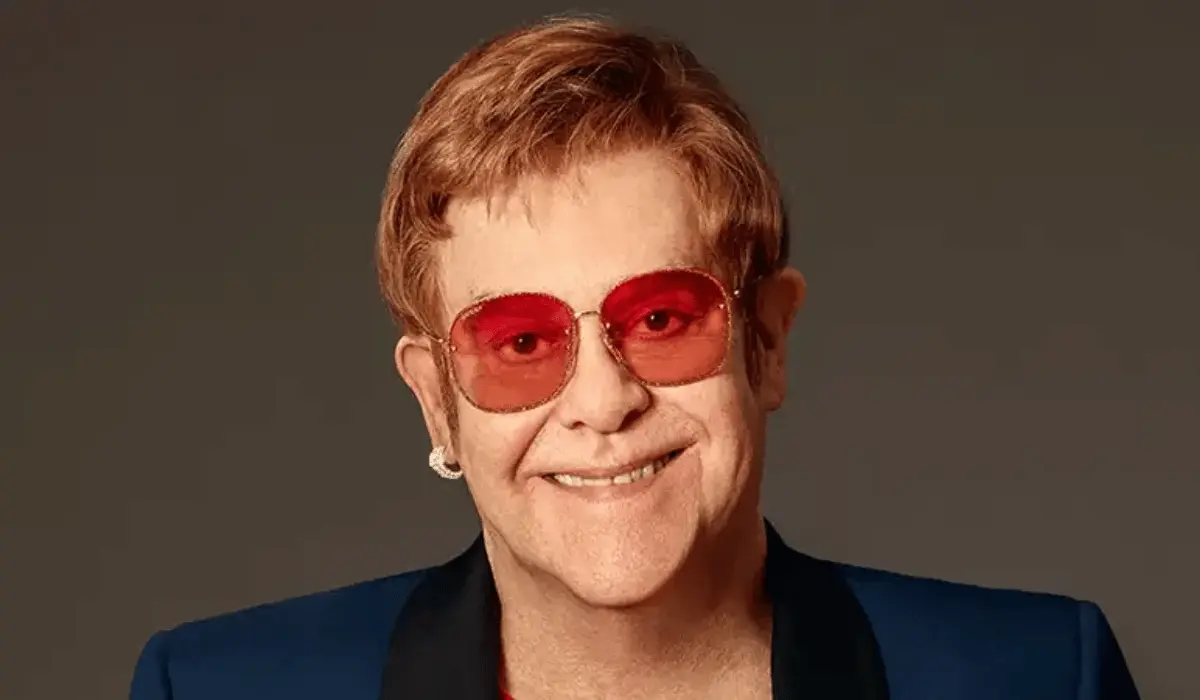
Elton John does not currently have a successful hair transplant. He wears high-end bespoke hair replacement systems. These are commonly known as wigs or toupees.
The music icon did attempt surgical restoration in the late 1970s. Those procedures were catastrophic failures. The technology at the time was primitive. His lifestyle factors also played a major role in the poor results. Today he is open about his baldness. He jokes about looking like the character Shrek without his hairpiece. His journey offers a valuable lesson in the history of hair restoration. It highlights how far technology has come since the days of “plugs” and large grafts.
This article analyzes his entire timeline. We look at the medical reasons his surgeries failed. We also examine the engineering behind his modern hair systems.
The Early Signs of Hair Loss (1970–1976)
Reginald Dwight had a full head of hair at the start of his career. Photos from his 1969 debut show thick and wavy hair.
The onset of balding was rapid.
By 1972 and 1973 his hairline began to recede deeply at the temples. This is a classic sign of male pattern baldness. The condition is genetically inherited. It is caused by a sensitivity to Dihydrotestosterone or DHT. This hormone attacks hair follicles and causes them to shrink.
Elton faced aggressive thinning.
His hair loss accelerated during his Goodbye Yellow Brick Road era. The heavy styling and bleaching likely did not help. However the root cause was genetics. By 1975 he had significant thinning on the top of his scalp. He was developing an isolated “island” of hair at the front. This is common in a Norwood Scale 4 pattern. The pressure to stay young in the music industry drove him to seek a surgical solution.
The Paris Hair Transplant Disaster
Elton John underwent two hair transplant surgeries in the late 1970s.
He chose a clinic in Paris.
The doctor was Pierre Putot. He was considered a pioneer at the time. Elton had two sessions done back-to-back. This is a practice that modern surgeons would never recommend. The scalp needs time to heal between sessions.
The procedure was primitive.
The technique used was “punch grafting.” Surgeons used a large 4mm circular punch. This tool removed round cylinders of tissue from the back of the head. These cylinders contained 20 to 30 hairs each. They were then punched into the balding area.
It was incredibly painful.
Elton has described the pain vividly in his autobiography. He said it sounded like a rabbit gnawing through a carrot. He left the clinic in agony. The result was not the thick mane he wanted. It was a patchy and unnatural look. This is often called the “doll’s head” effect. The large grafts stood out like rows of corn rather than natural hair.
Why Did Elton John’s Transplants Fail?
The surgeries failed for three specific medical reasons.
1. Primitive Technology
The 4mm plugs were too large. They damaged the blood supply in the scalp. Modern surgeries use grafts with only 1 to 4 hairs. The large plugs of the 70s created massive trauma. This made it hard for the grafts to survive.
2. Poor Aftercare
Elton admits he did not follow doctor’s orders. He wore a hat immediately after surgery.
This is a major mistake. A hat puts pressure on the delicate new grafts. It can dislodge them or cut off blood flow. The grafts need oxygen and blood to root into the scalp. The hat likely suffocated the new hair before it could grow.
3. Lifestyle Factors
Elton was struggling with substance abuse during this time. Cocaine is a vasoconstrictor.
This means it shrinks blood vessels. It restricts blood flow to the skin. New hair grafts rely entirely on the surrounding blood supply to survive. The drug use likely starved the grafts of oxygen. This caused the tissue to die rather than grow.
The “Dead Squirrel” Era
Elton entered the 1980s with a scarred scalp and very little hair.
He tried early wigs.
The technology for wigs in the 80s was also poor. He famously wore a hairpiece at a concert with Freddie Mercury. Critics said it looked like a “dead squirrel” was on his head. These early systems were too dense. They did not have natural color variation. They looked like solid helmets of hair.
He relied on hats.
You likely remember Elton John in the 80s wearing many hats. He wore boaters and fedoras constantly. This was not just fashion. It was to hide the bad hair transplant scars. The punch grafts left white circular scars on the back of his head. He could not shave his head because the scarring was too visible.
The Modern Solution: High-End Bespoke Systems
Elton John eventually found a solution that worked. He stopped trying to fix his hair surgically.
He now wears custom-made hair systems. These are not standard wigs. They are feats of engineering made by Hollywood specialists.
How His Current Hair System Works
The base is invisible.
It is likely made of fine Swiss lace. This material is almost invisible against the skin.
The hair is real.
He uses high-quality European human hair. This matches his natural texture. It is fine and soft.
The density is age-appropriate.
Good wigs are not too thick. His current look has a realistic density for a man in his 70s. It is styled in a way that suits his face shape.
The cost is significant.
These systems can cost between $2,000 and $5,000 each. He likely requires a new one every few weeks to keep it looking fresh. He keeps a collection of them. Some of his old theatrical wigs have even been sold at auction for thousands of dollars.
Comparison: 1970s Surgery vs. 2025 Technology
It is important to understand why Elton had such a bad experience compared to modern patients.
Table: Hair Restoration Evolution
| Feature | Elton’s Era (1970s) | Modern Era (2025) |
| Technique | Large Punch Grafts (Plugs) | FUE and DHI |
| Tool Size | 4.0 mm Manual Punch | 0.7 mm Micro-Motor |
| Graft Size | 20–30 Hairs per graft | 1–4 Hairs per graft |
| Pain Level | Severe and traumatic | Minimal with local anesthesia |
| Scarring | Large “checkerboard” scars | Tiny invisible dots |
| Result | Tufted “Doll Hair” look | Natural and undetectable |
| Recovery | Weeks of swelling | 5 to 7 days |
Expert Insights on Elton’s Hair
Why doesn’t he get a modern transplant?
This is a common question. People ask why he doesn’t use his wealth to fix the problem now.
The answer is donor depletion.
A human head has a limited amount of permanent hair on the back and sides. This is called the donor zone. The primitive surgeries of the 70s wasted his donor hair. The large punches destroyed thousands of healthy follicles. He likely does not have enough hair left to harvest.
The scalp is too scarred.
The recipient area on top of his head has deep scar tissue from the old plugs. Hair transplants do not grow well in scar tissue. The blood supply is poor. The skin is tough.
The verdict is clear.
A wig is his best option. It provides guaranteed density. It covers the old scars. It requires no surgery. For a man of his age and medical history it is the safest choice.
Real-World Examples of His Hair Evolution
1. The Troubadour (1970)
Elton has natural hair here. It is thick but showing signs of recession at the temples. This was his baseline.
2. The 1980 Central Park Concert
He is wearing a Donald Duck costume cap for part of it. When not wearing a hat his hair looks thin and wispy. The failed transplants provided very little coverage.
3. The Academy Awards (2020s)
His current look is polished. The hair is a consistent auburn color. It has volume. It stays perfectly in place. This is the result of a high-end adhesive system. It is glued securely to the scalp.
Frequently Asked Questions
Did Elton John have a hair transplant?
Yes. He had two hair transplant surgeries in Paris during the late 1970s. Both procedures failed to produce good results. They caused him significant pain and scarring.
Does Elton John wear a wig now?
Yes. He wears high-quality bespoke hair replacement systems. He has been wearing them exclusively since the early 1990s. He credits them for his consistent appearance.
Why did Elton John’s hair transplant fail?
It failed due to primitive “plug” technology and lifestyle factors. His use of drugs restricted blood flow to the scalp. He also wore hats too soon after surgery which damaged the grafts.
How much does Elton John’s hair cost?
His custom hair systems likely cost over $2,000 each. He maintains a large collection. He spends tens of thousands of dollars annually to maintain his look.
Can Elton John fix his hair with modern FUE?
No. He likely does not have enough donor hair left. The old surgeries destroyed his supply. His scalp also has too much scar tissue to support new grafts.
Who makes Elton John’s wigs?
He uses top wig makers who work for Hollywood films. These are not store-bought brands. They are custom engineering projects made to fit his head perfectly.
Conclusion
Elton John’s hair journey is a tale of trial and error.
He was a victim of being too early to the world of hair restoration. He tried to fix his hair before the technology was ready. The pain and failure of the 1970s left him with permanent scars. However he turned a negative into a positive. He embraced hair systems. He made them part of his iconic brand.
His story teaches us a vital lesson.
Research is key. Patience is necessary. Sometimes the best solution is non-surgical. Elton John proved that you can be bald and still be a global style icon. He found confidence in a wig when surgery failed him. Today his hair is as legendary as his music. It is consistent and stylish. It is unapologetically artificial.