Prince Harry Hair Transplant: An Overview of Prince Harry’s Hairline
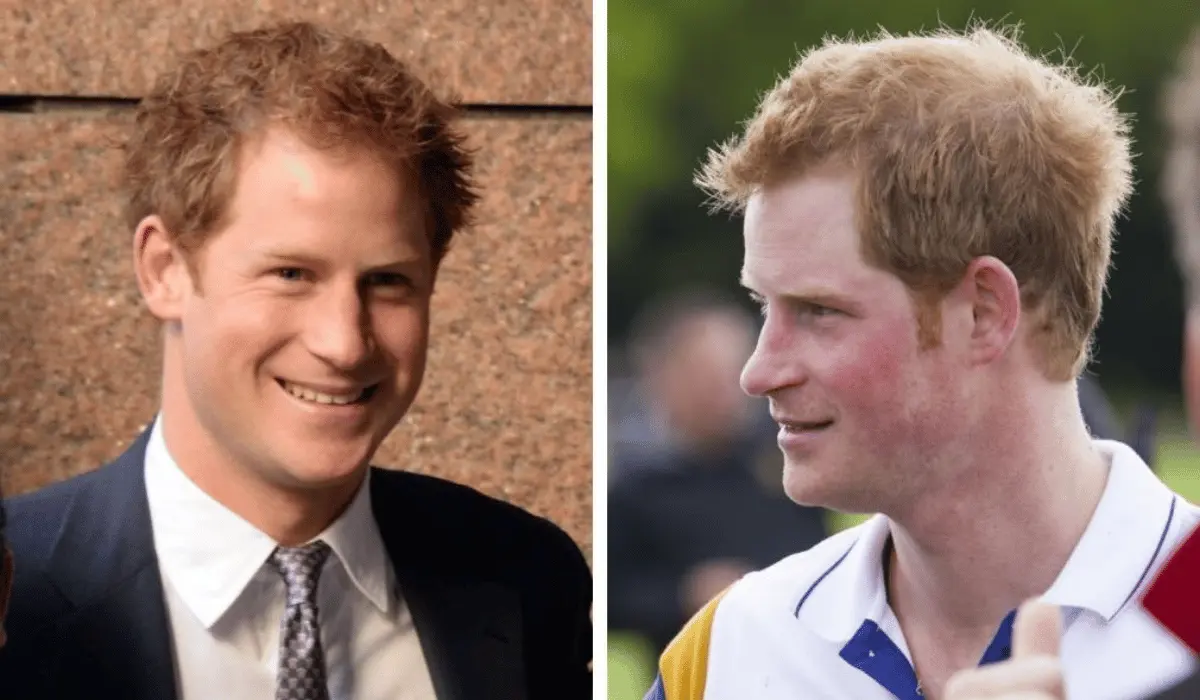
The topic of Prince Harry hair implants has sparked intense debate among royal watchers and hair restoration experts alike. You might have noticed the Duke of Sussex sporting a thicker mane in official photos while looking significantly thinner on the polo field. This inconsistency raises a major question. Is he using surgical help or clever styling?
The answer appears to be a mix of both. Trichologists and surgeons suggest that Prince Harry likely underwent a conservative intervention around 2017. However, he also relies heavily on temporary concealers like keratin fibers. The prince harry hair implants saga is not just about vanity. It is a battle against the aggressive “Windsor Gene” that claimed the follicles of his brother and father.
In this deep dive, we will analyze the timeline of his recession. We will look at the science of red hair and why the “Spare” heir might be losing his battle against biology. You will get expert insights into what likely happened to his scalp and what options remain.
The Windsor Genetics and Hair Loss
We cannot discuss Prince Harry hair implants without first addressing his DNA. Male Pattern Baldness is a hereditary condition. It is driven by a sensitivity to Dihydrotestosterone or DHT. This hormone shrinks hair follicles until they stop producing visible strands.
Prince Harry is fighting a genetic pincer movement. His father King Charles and brother Prince William both suffer from advanced hair loss. The specific pattern seen in the Windsor men is aggressive. It usually starts at the crown and moves forward. This creates the famous bald spot often called the “Windsor Crown.”
Red hair presents a unique challenge here. Redheads have fewer individual hairs on their head compared to brunettes or blondes. They average about 90,000 strands while others have over 100,000. However, each red strand is much thicker. This thickness creates an illusion of volume. It helps mask thinning for a long time. Once the density drops below a certain point the scalp becomes suddenly visible. This explains why Harry’s hair loss seemed to accelerate so quickly in recent years.
Prince Harry Hair Implants: The 2017 Timeline
Forensic analysis of photos suggests a key window for a potential procedure. Between 2016 and 2017 the Duke’s hairline appeared to stabilize.
The “Secret” Procedure Theory
Many experts believe Harry had a small FUE procedure before his wedding. FUE stands for Follicular Unit Extraction. This method moves individual hair grafts from the back of the head to the thinning areas. It leaves minimal scarring.
Photos from 2017 show a sharper frontal hairline. This “wall” of hair at the front remained strong even as the hair behind it thinned. This is a classic sign of a conservative transplant. The surgeon likely reinforced the front to frame his face. They may have avoided the crown due to a lack of donor hair.
The Role of Stress
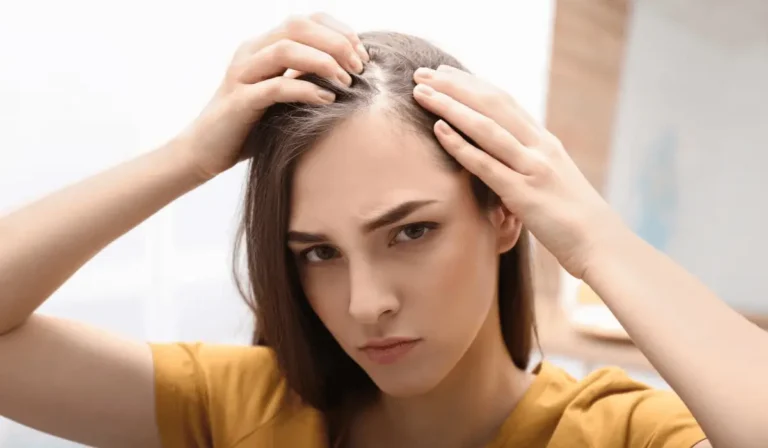
The discussion around prince harry hair implants often ignores lifestyle factors. Stress is a massive accelerator of hair loss. The period following his exit from the Royal Family involved immense pressure. High cortisol levels can trigger Telogen Effluvium. This condition pushes hair into a shedding phase.
Harry likely faced a “double hit.” He had active genetic balding combined with stress-induced shedding. This would explain the rapid deterioration seen during the Spare book tour. Even a successful transplant can look thin if the native hair around it falls out due to stress.
Why His Hair Looks “Dusty” in Sunlight
You may have seen photos where Prince Harry’s hair looks matte or chalky. This usually happens under bright sunlight or stadium lights. This is not a side effect of prince harry hair implants. It is the hallmark of hair fibers.
The Fiber Effect
Hair fibers are microscopic keratin proteins. You shake them onto the scalp. They cling to existing hairs magnetically. They make thin hair look thick instantly. They also cover the shiny scalp.
However, fibers have a weakness. They do not reflect light the same way natural hair does. Natural hair has a cuticle that shines. Fibers are matte. When Harry is in the California sun the fibers absorb the light. His hair looks flat and dusty. It contrasts with the shiny natural hair on the sides.
This proves he is actively managing his appearance. He uses fibers for big events to create the illusion of density. It is a common trick for celebrities who are not ready for a full “power bald” look.
Comparison of Royal Hair Loss Strategies
Prince Harry has taken a different path than his brother. Let us compare their approaches to the family trait.
| Feature | Prince William | Prince Harry |
| Strategy | Dignified Surrender | Active Resistance |
| Style | Shaved / Buzz Cut | Textured / messy length |
| Intervention | None visible | Suspected FUE & Medication |
| Concealers | No | Yes (Fibers suspected) |
| Public Stance | Jokes about it | Discusses it in Spare |
Prince William accepted his fate early. He buzzed his hair short. This removed the stigma. Prince Harry chose to fight. He kept his hair longer to curl over thin spots. He likely explored prince harry hair implants to maintain his youth. This resistance has ironically drawn more attention to his changing hairline.
Real-World Examples of Similar Procedures
To understand what Harry might have done we can look at other public figures.
Wayne Rooney is the most famous example. He started losing hair young like Harry. He underwent aggressive FUE surgeries. He was open about it. His results showed how transplants can rebuild a hairline.
Jimmy Carr is another success story. He had a transplant to lower a naturally high hairline. His result is very dense.
Harry’s case is harder than theirs. He has diffuse thinning. This means he is losing hair all over the top. It is not just a receding hairline. Diffuse thinners are difficult candidates for surgery. If you plant new hair into an area that is actively thinning you risk “shock loss.” This can make the hair look worse temporarily. This might explain why Harry has not had a massive “fix-it-all” surgery.
Expert Insights on Prince Harry Hair Implants
Top surgeons have weighed in on the Duke’s situation. We analyzed opinions from Harley Street clinics.
The Donor Problem
Experts point out a critical issue. Harry might be running out of donor hair. The donor area is the permanent hair at the back of the head. Recent photos show Harry thinning in the donor zone too. This is called Retrograde Alopecia. If the donor hair is thinning you cannot transplant it successfully. It will just fall out in the new location.
The “Pluggy” Risk
If a surgeon uses too many grafts on a diffuse thinner it can damage existing roots. A conservative approach is safer. This aligns with the theory that he had a small procedure. He likely fixed the front and left the crown alone.
The “Spare” Commentary
In his memoir Spare Harry called William’s baldness “alarming.” This reveals his own anxiety. He projected his fear onto his brother. He noted William’s resemblance to their mother was fading with his hair. This psychological weight makes the topic of prince harry hair implants very personal for him. It is about identity as much as aesthetics.
FAQs About Prince Harry’s Hair
1. Did Prince Harry definitely have a hair transplant?
There is no official confirmation from Buckingham Palace or the Duke. However, forensic analysis of his hairline in 2017 strongly suggests a small procedure. The “wall” of hair at his front hairline appears artificially reinforced compared to the thinning behind it.
2. How much would prince harry hair implants cost?
A premium FUE procedure in London or Los Angeles can cost between $10,000 and $20,000. The price depends on the number of grafts. Top surgeons charge a premium for discretion and artistry.
3. Why is he still balding if he had surgery?
A transplant does not stop genetic hair loss. It only moves hair. If Harry did not take medication like Finasteride his native hair would continue to fall out. This creates an “island” effect where the transplanted hair stays but the rest disappears.
4. What are the “dusty” patches on his head?
This is likely caused by keratin hair fibers. Products like Toppik or Nanogen are used to camouflage thinning. They look matte in bright sunlight. This creates a dusty or chalky appearance that contrasts with natural hair.
5. Can he fix his bald spot now?
It is difficult. His donor area appears to be thinning as well. Without strong donor hair a full restoration is impossible. He may have to rely on body hair transplants or simply accept the “power bald” look like his brother.
6. Does stress really cause hair loss?
Yes. Stress triggers high cortisol levels. This can push hair follicles into a resting phase. This condition is called Telogen Effluvium. It causes diffuse shedding and makes genetic balding look much worse very quickly.
7. Why is red hair harder to transplant?
Red hair is actually good for transplants in one way. It is coarse and covers well. However, redheads have fewer follicles overall. This means they have a smaller “bank account” of donor hair to spend. Once they run out of grafts there are no more options.
Conclusion
The saga of prince harry hair implants serves as a reality check. It proves that even unlimited resources cannot fully defeat genetics. The Duke of Sussex has fought a valiant battle against the Windsor trait. He likely utilized modern surgery and cosmetic concealers to extend the life of his hairstyle.
His journey highlights the importance of early intervention. Medical stabilization is crucial before surgery. Without it the native hair continues to recede behind the transplant. Prince Harry is now at a crossroads. He can continue to use fibers and strategic styling or he can embrace the inevitable.
For men watching his journey the lesson is clear. Prince harry hair implants can only do so much. A holistic approach including medication and stress management is the only way to truly hold back the tide. Whether he chooses to shave it or save it Prince Harry remains a global icon of the modern male struggle with hair loss.