
How to Dermaroll Your Scalp for Maximum Growth
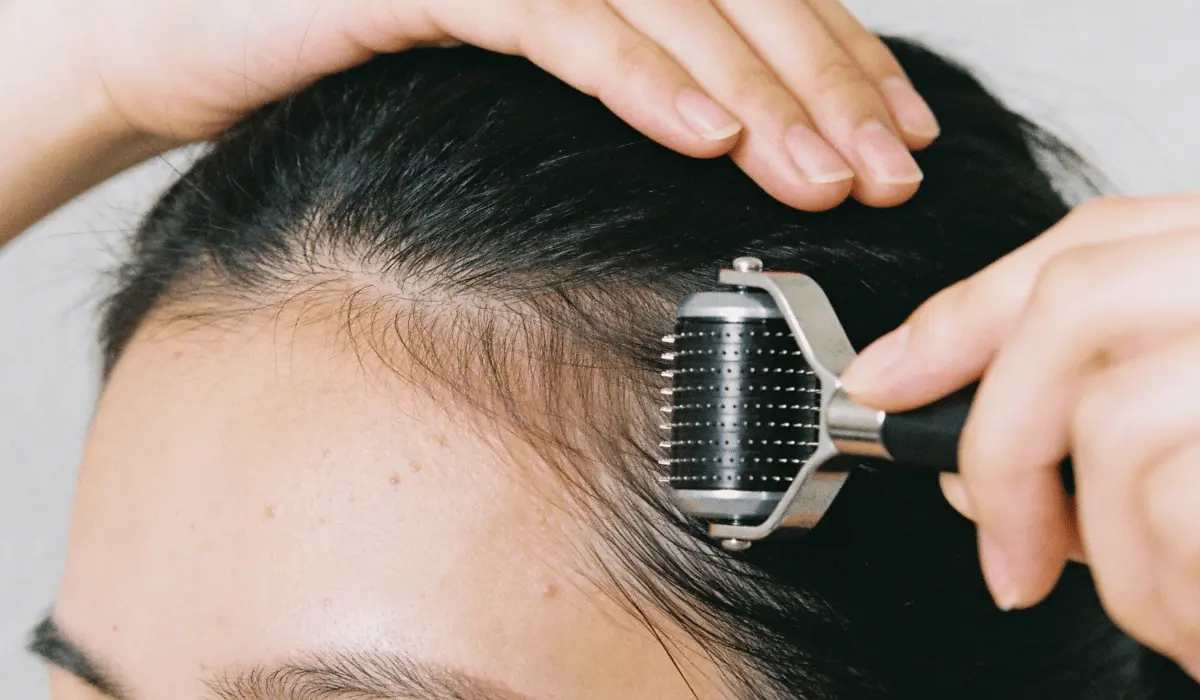
Hair loss impacts millions of people and often feels like an impossible challenge to solve. Dermarolling for hair is a clinical technique that has moved from expensive offices to simple home care routines.
This method involves using a small roller with fine needles to gently puncture the scalp surface. These tiny punctures are called micro-channels. They serve two primary roles in your restoration journey. First, they trigger a wound-healing process that releases growth factors directly to your hair roots. Second, they allow hair growth stimulation products to reach deeper into the skin.
Clinical studies have proven that microneedling scalp tissue is a viable treatment for various forms of thinning. In many cases, patients who did not respond to traditional medications saw significant regrowth after adding a regular dermaroller routine. This guide explores the detailed science and safety protocols needed for success. We will analyze the biological mechanisms and the specific tools required for professional results. Following these steps carefully will help you maximize your potential for new growth.
Microneedling Science
The effectiveness of this technique is rooted in the ability of the body to repair itself after a minor injury. When needles reach the dermal layer of the scalp, they create controlled trauma without causing permanent damage. This trauma initiates a specific biological pathway called the Wnt signaling pathway. This pathway is the primary regulator of hair follicle development and cycling. By activating this signal, the scalp begins to regenerate essential follicle stem cells.
Mechanical stimulation also increases the production of vital proteins like elastin. These proteins provide the structural foundation for healthy skin and stronger hair shafts. Furthermore, the micro-injuries cause a surge in vascular endothelial growth factors. These substances promote the formation of new blood vessels. Improved circulation ensures that follicles receive the oxygen they need for the growth phase.
The role of scalp collagen is particularly important for reversing the shrinking of follicles. In common thinning conditions, hair follicles shrink over time until they stop producing visible hair. Microneedling helps break up the tough tissue that prevents hair from growing. By softening this tissue and inducing new scalp collagen, the follicle has room to expand. This expansion allows the root to produce much thicker and healthier hair.
Needle Length (0.5mm vs 1.5mm)
Choosing the correct needle length is the most critical decision in any dermaroller routine. Different depths target different layers of the scalp anatomy. Shorter needles are primarily used for product absorption and surface stimulation. Longer needles are required to reach the deeper structures where the actual hair follicles reside.
The 0.5 mm needle is the best starting point for home users. At this depth, the needles reach the junction between the top and middle layers of the skin. This is effective for increasing blood flow and ensuring that your serums reach the deeper layers. However, 0.5 mm needles may not be deep enough to trigger the intense growth factor release needed for major regrowth. Experts recommend this size for maintenance and for treating the sensitive skin around the hairline.
The 1.5 mm needle is considered the gold standard for clinical results. Most major research studies utilize this depth because it reaches the follicle stem cell bulge. This depth is necessary for stimulating hair growth in areas with thicker skin like the crown. While more effective, 1.5 mm needles carry higher risks. They can cause pinpoint bleeding and require longer recovery times between your sessions.
Scalp Thickness and Regional Variations
Scalp thickness varies significantly across different parts of the head. The hairline and temples usually have the thinnest skin. The crown and the back of the head are the thickest areas. This means that a needle length that works on the back might be too aggressive for the front.
| Scalp Region | Average Thickness (Male) | Average Thickness (Female) | Suggested Needle Depth |
| Frontal (Hairline) | 6.0 mm | 5.1 mm | 0.5 mm to 1.0 mm |
| Vertex (Crown) | 6.4 mm | 6.1 mm | 1.0 mm to 1.5 mm |
| Occipital (Back) | 6.4 mm | 6.1 mm | 1.0 mm to 1.5 mm |
| Temples | Varies | Varies | 0.5 mm to 0.75 mm |
Choosing Your Device Type
There are three main types of tools available for microneedling scalp tissue. The traditional roller is a drum covered in fixed needles. As the drum rolls, the needles enter the skin at an angle and exit at an angle. This can cause minor tearing of the surface which some experts believe leads to irritation. However, rollers are affordable and cover large areas of the scalp very quickly.
Stamps are manual tools that use vertical penetration. You press the stamp directly down onto the scalp to create straight channels. This method causes less trauma to the surface skin than rolling. Stamps are often preferred by people with longer hair because the needles are less likely to catch and pull the strands.
Electric pens are motorized devices that move needles up and down at very high speeds. These pens offer the most precision and allow you to adjust the needle depth easily. While they are the most expensive option, they provide the most consistent results. They also tend to cause the least amount of pain during the process.
Why Dermarolling for Hair is a Game Changer
Traditional treatments often fail because they only address one part of the problem. Many people use topical solutions that sit on the surface of the scalp. Dermarolling for hair changes this by creating a physical pathway for these ingredients. It also forces the skin to renew itself. This dual action makes it a superior choice for those who have seen no results from standard shampoos.
Research indicates that the mechanical action of the needles is just as important as the chemicals you apply. The physical act of needling triggers a healing cascade that cannot be mimicked by drugs alone. This is why many people see a sudden burst of new growth after months of stagnation. It essentially resets the environment of the scalp to a more youthful state.
Sanitization Protocol
Safety and hygiene are the foundations of a successful dermaroller routine. Because this process creates open pathways into your skin, any bacteria on the device can cause a serious infection. You must disinfect your tool both before and after every single use.
The standard protocol involves using 70 percent isopropyl alcohol. You should soak the head of the device in a clean container for at least ten to fifteen minutes. Do not use 90 percent alcohol because it evaporates too fast to kill all germs effectively. After the soak, let the device air dry on a clean paper towel. Never use a cloth towel because the fibers can get caught in the needles.
You also need to prepare your scalp for the procedure. Wash your hair with a gentle shampoo to remove oils and product buildup. Ensure your scalp is completely dry before you begin. Wet skin is more susceptible to irritation and tearing during the needling process.
Serums to Use for Hair Growth Stimulation
Dermarolling creates micro-channels that significantly boost the absorption of your treatments. This is why choosing the right ingredients is essential for maximum results. Many people use minoxidil because it is the most researched drug for this purpose. However, there are many other high quality ingredients to consider for your hair growth stimulation journey.
Peptides are excellent for reducing scalp inflammation and supporting follicle health. Caffeine is another star ingredient. It improves microcirculation around the roots and may help block the effects of thinning hormones. Some modern serums use plant based actives like Redensyl. These target the stem cells specifically to promote new growth without the side effects of traditional drugs.
You should also look for hyaluronic acid. This ingredient is excellent for hydrating the scalp after a session. It helps soothe any redness and ensures the skin barrier remains healthy. Using a combination of these ingredients often yields the best long term outcome.
A Pro-Level Dermaroller routine for Daily Success
A consistent dermaroller routine is essential for seeing real changes. You should plan your sessions for a time when you do not have to leave the house. This protects your scalp from sun exposure and dirt while it heals. Follow these steps for a safe and effective session.
- Sterilize your device using the sanitization protocol.
- Wash and dry your hair to ensure a clean surface.
- Section your hair using a comb to expose the thinning areas.
- Gently roll or stamp the device over each section in four directions.
- Move horizontally, then vertically, and then in both diagonal directions.
- Use moderate pressure so you feel the needles but do not cause pain.
- Perform four to five passes in each direction per section.
- Clean the device again with alcohol after the session is finished.
- Wait the recommended time before applying any active serums.
Frequency of Use
Consistency is more important than intensity when it comes to hair growth stimulation. Using the device too often will damage the skin and interfere with the healing process. The frequency of your sessions depends entirely on the length of the needles you use.
- 0.25 mm needles can be used every other day to boost absorption.
- 0.5 mm needles should be used once or twice a week.
- 1.0 mm needles should be used once a week or every ten days.
- 1.5 mm needles should be used only once every two to four weeks.
Giving your skin time to rest is vital. During the resting period, the body is busy building new scalp collagen and repairing the micro-channels. If you interrupt this process, you may cause scarring instead of growth.
Real-World Examples
Many users share their success stories on popular forums. One common example involves a user who struggled with a receding hairline for years. They started a weekly 0.5 mm routine combined with a peptide serum. For the first month, they noticed no change. By the third month, they saw fine baby hairs appearing along the edge of their hairline.
Another example involves a patient using the 1.5 mm needle every three weeks. They paired this with a daily caffeine serum. This individual reported that their crown area felt much fuller after six months. They noted that the hair was not just more numerous but also much stronger and darker. These examples show that patience is the most important part of the process.
Expert Insights on Scalp Collagen
The long term effects of needling on scalp health are very positive. Repeated stimulation builds a cumulative bank of scalp collagen that makes the skin more resilient. While initial sessions provide better texture, the structural changes take time to build. After a year of regular use, the scalp becomes firmer and the follicles are better anchored.
Experts recommend periodic maintenance sessions even after you achieve your goals. These sessions help counteract the natural decline in proteins that occurs with age. By resetting the biological clock every few months, you can sustain your results for many years. It is a long term commitment to the health of your scalp environment.
Managing the Shedding Phase
It is very common to lose more hair during the first few weeks of your new routine. This is known as the shedding phase. It happens because the stimulation pushes your follicles into a new growth cycle. To grow a new and strong hair, the follicle must first shed the old and weak hair.
This shedding is actually a sign that the treatment is working. It indicates that your follicles are reactivating and preparing for the active growth stage. This phase typically lasts between two and six weeks. You should not stop your routine during this time. If you continue, the shedding will subside and new growth will become visible within a few months.
Long Term Expectations with Dermarolling for Hair
You must understand that hair grows slowly. The maximum speed is usually half an inch per month. This means you will not see a full head of hair in a few weeks. Dermarolling for hair is a marathon rather than a sprint. You are changing the very foundation of your scalp.
Most people reach their peak results between twelve and eighteen months. At this stage, the new hairs have matured and thickened. The density across the crown and hairline should look significantly improved. Sticking to your schedule during the months when nothing seems to be happening is what separates success from failure.
Success Stories and Results with Dermarolling for Hair
One of the most famous clinical studies followed one hundred men over twelve weeks. The group using needling with minoxidil grew significantly more hair than the group using the drug alone. Specifically, the combined group saw a massive increase in hair count per square centimeter. This study proved that the mechanical stimulation is a powerful catalyst for chemical treatments.
Another success story comes from a woman dealing with thinning after pregnancy. She used a gentle 0.5 mm roller twice a week. Within four months, her diffuse thinning had reversed almost completely. She credited the routine for making her hair feel voluminous again. These stories provide hope for anyone currently struggling with their hair confidence.
FAQs
Can dermarolling cause scarring on the scalp?
It is very rare if you use the correct technique. Scarring typically only happens if you use needles longer than 1.5 mm at home. Using dull or bent needles can also damage the skin. You should replace your device every two to three months to ensure the needles stay sharp and safe.
How hard should I press the roller?
You should apply gentle to moderate pressure. You should feel a mild prickling sensation but you should not feel intense pain. If you are bleeding heavily, you are pressing too hard or your needles are too long. The goal is mild redness or very slight pinpoint spotting.
Can I use a roller if I have long hair?
Yes, but you must be careful to avoid tangling. It is helpful to wet your hair or use a comb to part it into clear sections first. Many people with long hair prefer using a stamp because it moves vertically and does not catch the hair as much.
Should I use numbing cream before rolling?
Most people do not need numbing cream for needles under 1.0 mm. If you are using 1.5 mm needles and find the process too painful, you can apply a topical anesthetic. You must wash the cream off completely before you start the session to prevent it from entering the skin.
Is it okay to use the device every day?
No, you should never use it every day. Your scalp needs time to heal and produce the growth factors that lead to new hair. Over-using the tool causes chronic inflammation and can actually damage your follicles.
When should I apply my serum?
For shallow needles, you can apply it almost immediately. For deeper clinical needles, you should wait between eight and twenty-four hours. This delay allows the micro-channels to close slightly and prevents the ingredients from causing systemic side effects.
Conclusion
Dermarolling for hair is one of the most effective ways to restore thinning areas without surgery. By combining microneedling scalp technology with a consistent dermaroller routine, you can grow thicker and healthier hair. Success requires patience and a commitment to hygiene. While the results are not instant, the clinical evidence proves that this method is a powerful tool for hair restoration. Start slow and stay consistent to achieve the best possible outcome for your hair.