
Receding Hairline in Women: Causes and Fixes
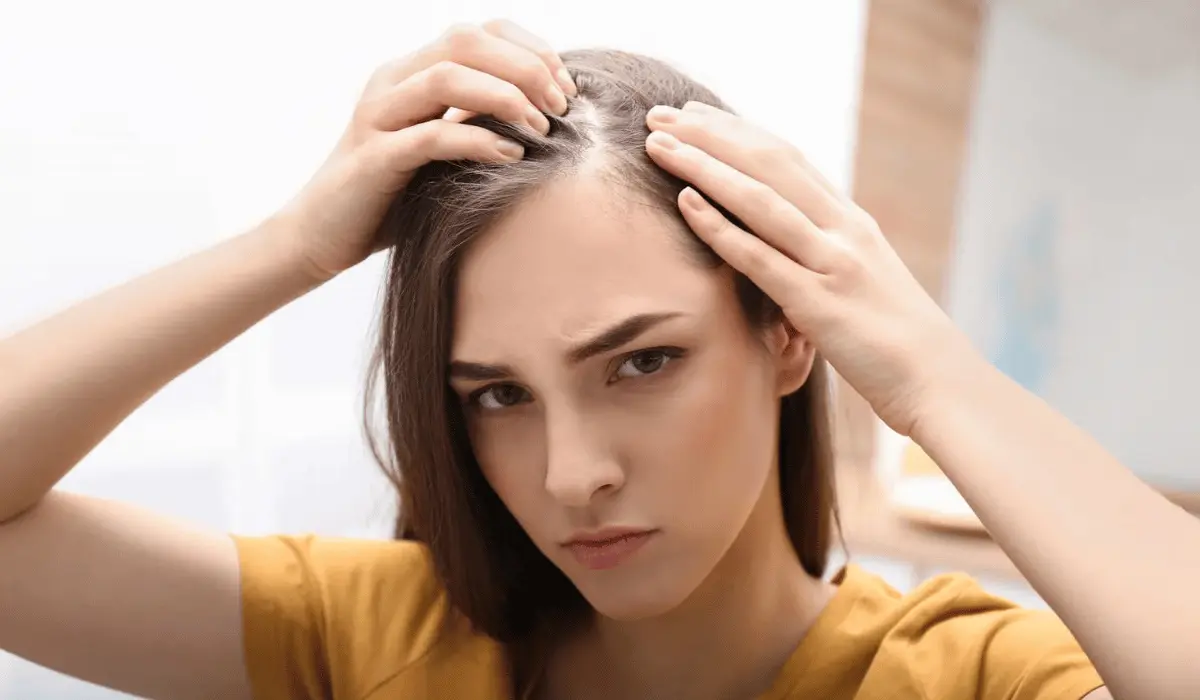
Hair loss is a deeply personal experience that affects millions of women worldwide. While society often associates a receding hairline with men, it is a frequent concern for women of all ages. A receding hairline in women can manifest as thinning temples or a hairline that slowly migrates backward. This change can alter the shape of the face and affect self-confidence. Understanding the biology of hair growth is essential for anyone looking to restore their edges.
The hair growth cycle consists of several distinct phases. The anagen phase is the active growth stage where hair follicles produce new strands. This phase can last for several years. The catagen phase is a short transitional period where the follicle shrinks. Finally, the telogen phase is a resting period before the hair eventually sheds. When the balance of these phases is disrupted, hair loss occurs.
Many factors can trigger this disruption. Genetic predisposition is the most common cause of permanent thinning. Hormonal shifts during menopause or pregnancy can also play a major role. Furthermore, daily styling habits can physically damage the follicles over time. This report explores the various causes and provides actionable solutions to help you maintain a healthy hairline.
Traction Alopecia Explained
Traction alopecia is a specific type of hair loss caused by repetitive pulling or tension on the hair roots. This condition is entirely mechanical and is not related to genetics or autoimmune issues. It often begins as a non-scarring process where the hair is simply pulled out of the follicle. However, if the tension continues for many years, it can lead to permanent damage. This is why a timely traction alopecia treatment is so important for long-term hair health.
The progression of this condition usually follows a biphasic pattern. In the early stages, the hair loss is reversible. You might notice small bumps around your hairline that look like pimples. This is known as folliculitis and it indicates that the follicle is inflamed. You might also see white flakes attached to the hair shafts. These are called hair casts and they are a clear sign of excessive tension.
If the pulling does not stop, the follicles begin to shrink. They may only produce very fine hairs that are barely visible. Eventually, the follicles can be replaced by scar tissue. Once scarring occurs, the scalp will look smooth and shiny. At this point, the hair will not grow back naturally. Recognizing the early signs like itching or soreness is vital for saving your edges.
Tight Hairstyles to Avoid
Mechanical stress is a primary reason why many women experience thinning temples. Certain popular hairstyles put an immense amount of pressure on the fragile hairs at the perimeter of the scalp.
High Tension Braids and Cornrows
Braids and cornrows are beautiful styles but they can be dangerous if installed too tightly. The tension is usually highest at the very edge of the braid pattern. Small micro-braids are particularly risky because they have a high weight-to-hair ratio. This means a heavy extension is being supported by only a few natural strands.
The risk of damage increases significantly if the hair has been chemically relaxed. Relaxers weaken the protein bonds in the hair shaft. This makes the hair much more likely to snap under pressure. Experts recommend making braids thicker to distribute the weight more evenly. You should also ensure that the braider does not pull too hard on the fine hairs around the forehead.
Ponytails and High Buns
The “slicked back” look is a major contributor to a receding hairline in women. Pulling the hair into a tight high ponytail or a top knot focuses all the mechanical force on the frontal hairline. Over time, this constant pull causes the follicles to enter the resting phase prematurely.
Using the wrong hair ties can make the problem worse. Rubber bands or ties with metal clips can catch on the hair and cause breakage. It is better to use silk or satin scrunchies that glide over the hair without pulling. If your hairstyle gives you a headache, it is a sign that the tension is far too high.
Extensions and Weaves
Extensions and weaves provide instant length and volume but they come with physical risks. Sew-in weaves rely on tight anchor braids to stay in place. These anchor braids are often the source of significant tension on the scalp. If the weave is too heavy, it can lead to chronic traction.
Bonding glues are another concern for hair health. The glue can block the pores on the scalp and lead to inflammation. Furthermore, removing the glue often involves pulling on the natural hair, which can cause trauma to the follicles. Taking regular breaks between extension installations allows the scalp time to recover and prevents long-term thinning.
Castor Oil for Edges
Many women use castor oil for hairline maintenance because of its unique chemical composition. This thick oil is derived from the seeds of the Ricinus communis plant. It has been used for centuries in traditional medicine to support skin and hair health. While it may not directly change your genetics, it provides an excellent environment for hair to flourish.
The most important component of this oil is ricinoleic acid. This is a type of fatty acid that makes up about 90 percent of the oil’s content. Ricinoleic acid has powerful anti-inflammatory properties. This helps to soothe the scalp and reduce redness caused by tight styling. It also has antimicrobial benefits that can help manage dandruff or minor scalp infections.
Another benefit of using castor oil for hairline care is its ability to lock in moisture. The oil acts as a humectant and an occlusive. This means it draws moisture into the hair and then seals it in. Moisturized hair is much more flexible and less likely to snap. This helps you grow back edges by preventing the breakage that often makes the hairline look thinner than it actually is.
Topicals that Work
When natural remedies are not enough, medical topicals offer a more intensive solution. These treatments are designed to interact with the biology of the hair follicle to stimulate growth.
Minoxidil Effectiveness for Women
Minoxidil is the primary FDA-approved topical treatment for a receding hairline in women. It was originally used as a blood pressure medication before its hair-growing side effects were discovered. It works as a vasodilator. This means it widens the blood vessels in the scalp to increase blood flow.
Improved blood flow delivers more oxygen and nutrients to the hair follicles. Minoxidil also helps to shift follicles from the resting phase back into the active growth phase. Most women use the 5 percent foam version once a day. It is important to be consistent with application because the results only last as long as you use the product. If you stop, any regrown hair will likely shed within a few months.
Rosemary Oil vs Minoxidil
Rosemary oil is a popular botanical alternative that has gained scientific attention. A clinical study in 2015 compared rosemary oil to a 2 percent minoxidil solution. The researchers found that both groups experienced a similar increase in hair count after six months. This makes rosemary oil a compelling choice for those who prefer natural ingredients.
Rosemary oil is thought to work by inhibiting the enzyme 5-alpha reductase. This enzyme converts testosterone into dihydrotestosterone. DHT is the hormone responsible for shrinking hair follicles in people with genetic hair loss. By reducing DHT activity, rosemary oil can help slow down the thinning process. It also provides antioxidant benefits that protect the follicles from environmental damage.
Thinning Temples and Hormones
Hormonal fluctuations are a major driver of a receding hairline in women. The balance between estrogen and androgens is vital for maintaining a thick head of hair.
Menopause and Estrogen Loss
During menopause, estrogen and progesterone levels drop significantly. These hormones are “hair friendly” because they help keep the follicles in the growth phase for a long time. When estrogen levels fall, the growing phase becomes shorter and the resting phase becomes longer.
As a result, the hair becomes thinner and grows more slowly. The drop in estrogen also allows androgens like DHT to have a stronger effect on the follicles. This can lead to a receding hairline in women that mimics male pattern baldness. Hormone replacement therapy can sometimes help stabilize this loss, but it should always be discussed with a doctor.
Androgenetic Alopecia in Females
Androgenetic alopecia is the most common form of hair loss in both men and women. In women, it often results in a widening of the part and thinning at the crown. However, it can also manifest as thinning temples. This condition is caused by the hair follicles being overly sensitive to androgens.
The follicles undergo a process called miniaturization. With each new growth cycle, the hair produced is finer and shorter than the one before. Eventually, the hair becomes so small that it is virtually invisible. This process is driven by genetics and can be inherited from either parent. Early treatment with DHT blockers or minoxidil is the best way to manage this condition.
Frontal Fibrosing Alopecia
Frontal fibrosing alopecia is a more serious condition that requires medical attention. It is a form of scarring hair loss that primarily affects post-menopausal women. Unlike traction alopecia, this condition involves the immune system attacking the hair follicles.
Signs of Scarring Hair Loss
The hallmark of this condition is a symmetrical band of hair loss along the front and sides of the head. The skin in the affected area often looks pale and shiny. You might notice that the skin feels smooth because the hair follicles have been destroyed. One unique sign is the “lone hair” where a single strand remains in an otherwise bald area.
Another early indicator is the loss of eyebrows. Many women lose the outer half of their eyebrows before they notice any change in their hairline. If you see these signs, it is important to consult a dermatologist. Unlike other forms of loss, this type is permanent once the scarring has occurred.
Medical Treatments for FFA
The goal of treatment for this condition is to stop the inflammation and prevent further loss. Dermatologists often use steroid injections directly into the hairline. These injections help to calm the immune response and protect the remaining follicles.
Oral medications like hydroxychloroquine or finasteride may also be prescribed. These drugs work to stabilize the condition and reduce the rate of recession. Topical anti-inflammatory creams are also used to manage symptoms like itching or burning. While these treatments cannot grow back hair on scarred skin, they are essential for preserving the rest of your hairline.
Nutritional Deficiencies and Edge Loss
Your diet provides the building blocks for every strand of hair on your head. If you are deficient in certain nutrients, your body will prioritize vital organs over your hair. This can lead to a noticeable receding hairline in women.
Iron and Ferritin Levels
Iron deficiency is a leading cause of hair thinning in women. Iron is required to produce hemoglobin, which carries oxygen to your cells. Your hair follicles are among the fastest-growing cells in your body and they have a high demand for oxygen.
Even if you are not technically anemic, low ferritin levels can cause hair loss. Ferritin is the protein that stores iron in your body. If your ferritin is low, your body may pull iron from your hair follicles to use elsewhere. Increasing your intake of red meat, lentils, and leafy greens can help restore these levels and support hair growth.
Vitamin D and Biotin Role
Vitamin D is a hormone that plays a key role in the creation of new hair follicles. Many women are deficient in Vitamin D, especially during the winter months. Research has linked low Vitamin D levels to several types of alopecia. Spending time in the sun or taking a supplement can help keep your follicles active.
Biotin is a B-vitamin that is essential for the production of keratin. While true biotin deficiency is rare, it is often marketed as a miracle cure for hair growth. In reality, biotin is most helpful for people who are actually lacking the nutrient. Eating eggs, nuts, and sweet potatoes is a natural way to ensure you are getting enough of this vital vitamin.
| Nutrient | Importance for Hair | Best Food Sources |
| Iron | Oxygenates the follicles | Beef and Spinach and Lentils |
| Vitamin D | Triggers follicle growth | Salmon and Eggs and Sunlight |
| Zinc | Supports tissue repair | Oysters and Pumpkin Seeds |
| Biotin | Builds keratin protein | Almonds and Walnuts and Eggs |
| Vitamin C | Helps with iron absorption | Oranges and Peppers and Berries |
Scalp Care and Massage Routine
A healthy scalp is the foundation for healthy hair. Regular scalp care can improve circulation and ensure that your follicles are not clogged with product buildup.
Daily scalp massages are an excellent way to boost blood flow to your hairline. You should use the pads of your fingers and apply gentle pressure in circular motions. Focus on the temples and the forehead where the recession is most visible. Research suggests that a 5 to 10 minute massage daily can increase hair thickness over several months.
You can also incorporate essential oils into your massage. Peppermint oil provides a cooling sensation that stimulates the nerves and increases circulation. Always mix essential oils with a carrier oil like jojoba or almond oil. This prevents skin irritation while providing the moisture needed to grow back edges.
Daily Hair Care Routine
Consistency is the most important factor when trying to restore your hairline. A gentle daily routine protects your existing hair and encourages new growth.
Start by choosing a sulfate-free shampoo. Sulfates are harsh detergents that can dry out the hair and scalp. If your scalp is too dry, the hair becomes brittle and breaks easily. You should also use a moisturizing conditioner every time you wash. Focus the conditioner on the ends of your hair and the fragile edges around your face.
Detangling should always be done with care. Use a wide-tooth comb or a dedicated detangling brush. Never pull on knots, as this can snap the hair at the root. It is best to detangle when your hair is coated in conditioner to provide “slip.” This reduces the friction and tension on your follicles.
Real-World Examples
Many women have successfully restored their hairlines by making simple lifestyle changes. One woman who wore tight braids for years noticed significant thinning at her temples. She decided to stop wearing extensions and switched to a low-manipulation routine. She applied a mixture of castor oil and rosemary oil to her edges every night. Within six months, she saw fine new hairs filling in the bald spots.
Another example involves a woman going through menopause who noticed her part widening. She consulted a dermatologist and started using 5 percent minoxidil foam. She also increased her intake of iron and Vitamin D after a blood test showed she was deficient. After a year of consistent treatment, her hair density significantly improved. These stories show that a receding hairline in women can often be managed with the right tools.
Expert Insights
Hair loss specialists emphasize that early detection is the key to successful treatment. If you notice more hair than usual in your brush or shower drain, it is time to take action. They suggest keeping a hair diary or taking photos of your hairline every month. This helps you track any changes and see if your treatments are working.
Experts also warn against the “more is better” approach to hair products. Using too many treatments at once can irritate the scalp and lead to further thinning. It is better to choose one or two proven methods and stick with them for at least six months. Hair growth is a slow process and patience is required to see real results.
FAQs
Can a receding hairline in women be reversed?
Yes, many types of hair loss are reversible if the cause is addressed early. Traction alopecia can be reversed by stopping tight styles. Hormonal loss can often be managed with medications. However, scarring alopecia is usually permanent.
Is castor oil good for growing back edges?
Castor oil is excellent for moisturizing the scalp and reducing inflammation. While it may not change your genetics, it helps create the perfect environment for hair to grow. It also prevents the breakage that makes the hairline look thin.
How often should I massage my scalp?
You should aim for a 5 to 10 minute massage every day. Consistency is what drives the increase in blood flow. You can do this while you are watching TV or right before you go to sleep.
Does stress cause a receding hairline?
High levels of stress can trigger a condition called telogen effluvium. This causes your hair to move into the resting phase all at once. This leads to excessive shedding that can make your hairline look thin.
Are there any hairstyles that are safe for my edges?
Loose styles are always the best for your edges. You can wear your hair down or in a loose low ponytail. If you must wear braids, ensure they are not tight and take regular breaks from extensions.
Should I see a doctor for my thinning hair?
If you notice sudden hair loss or patches of baldness, you should see a doctor. They can run blood tests to check for nutritional deficiencies or thyroid issues. A dermatologist can also help determine if you have a scarring condition.
Can diet alone fix a receding hairline?
Diet is a major factor in hair health but it may not be the only fix. If your hair loss is genetic or mechanical, you will also need to change your styling habits or use topical treatments. A balanced diet provides the foundation for other treatments to work.
Conclusion
A receding hairline in women is a common concern that can be managed with the right approach. Whether the cause is mechanical tension or hormonal changes, there are many effective fixes available. By understanding the causes of traction alopecia and choosing gentle hairstyles, you can protect your fragile edges from damage. Natural remedies like castor oil and clinical topicals like minoxidil offer proven ways to stimulate growth. Remember that hair health is a journey that requires patience and consistency. Taking small steps today will lead to a fuller and healthier hairline in the future.